

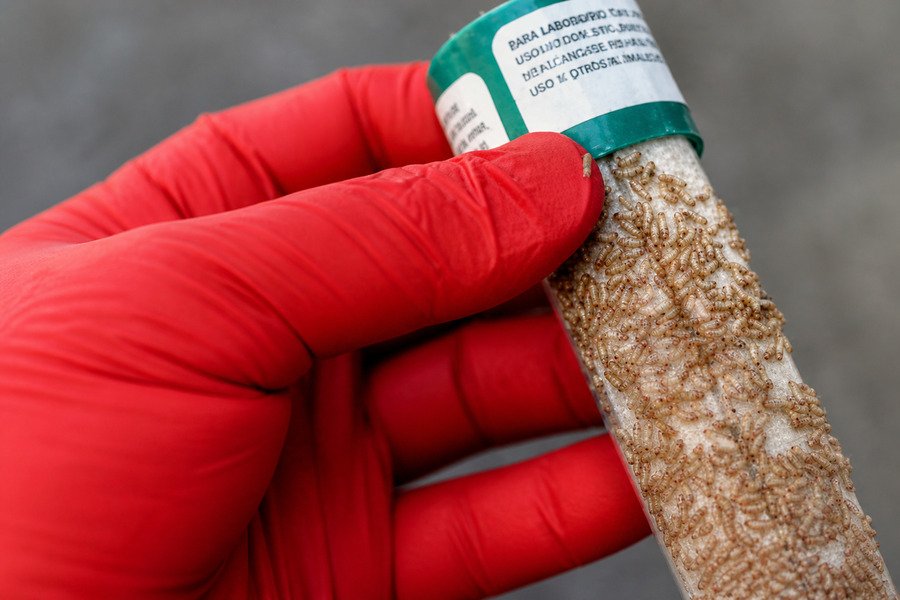
Before breaking ground on your new home in Florida, consider the critical step of pre-construction termite treatment. Soil treatment is essential to safeguard your investment from destructive pests, ensuring your dream home stands strong for years to come. Don’t let termites feast on your future; proactive measures can save you from costly repairs and emotional stress down the line. Dive into the importance of soil treatment and learn why it’s a non-negotiable part of your building process.
Understanding Termites and Their Impact on Florida Homes
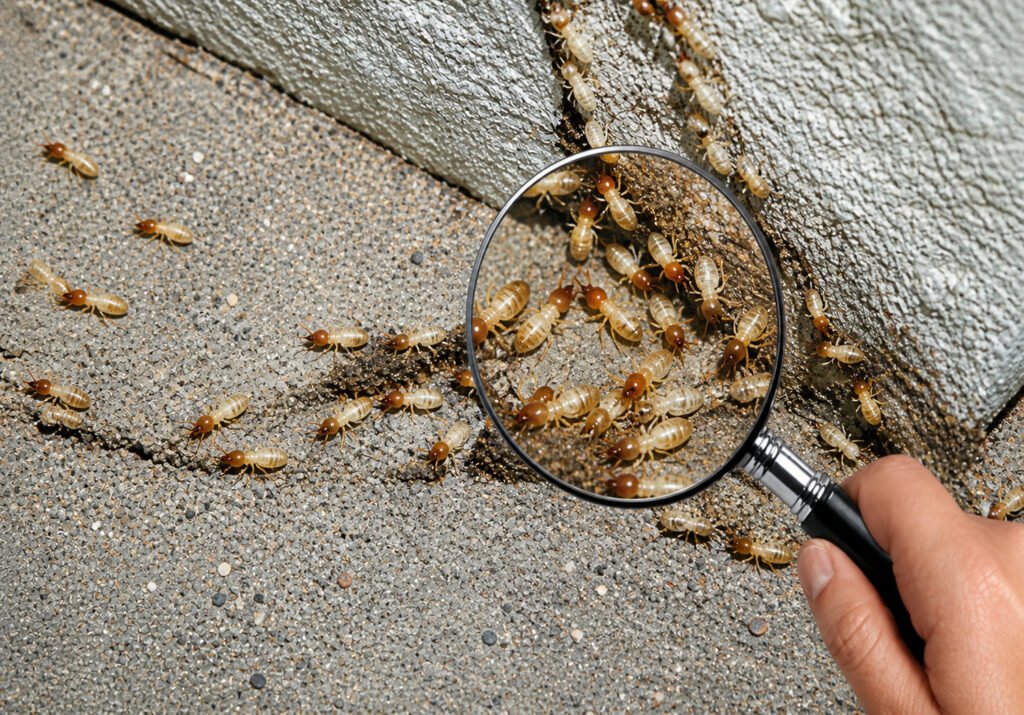
Termites are a homeowner’s nightmare, especially in Florida’s warm and humid climate, which provides an ideal breeding ground for these destructive pests. Known as “silent destroyers,” termites can cause significant structural damage before their presence is even detected. These tiny insects feed on cellulose found in wood, paper, and other plant-based materials, leading to the gradual weakening of your home’s structural integrity. Given the right conditions, a termite colony can consume a pound of wood in just a few weeks, making early intervention crucial.
Florida’s subtropical environment is particularly conducive to the proliferation of several termite species, including subterranean, drywood, and dampwood termites. Subterranean termites are the most common and pose the greatest threat due to their massive colonies and aggressive feeding habits. They build extensive underground tunnels to reach food sources, making them especially hard to detect and eradicate. Drywood termites, while less aggressive, can infest furniture and wooden structures, creating colonies within the wood itself. Dampwood termites, attracted to moisture, often infest areas with poor drainage or water damage.
The impact of a termite infestation can be devastating, leading to costly repairs and posing safety risks. Beyond the financial burden, the emotional toll of dealing with a termite infestation can be significant. Imagine discovering that your dream home, a sanctuary for your family, is slowly being eaten away from the inside. This is why understanding termites and their behavior is the first step in safeguarding your investment. By recognizing the signs of infestation and taking preventative measures, you can protect your home from these relentless invaders.
The Importance of Pre-Construction Termite Treatment
Investing in pre-construction termite treatment is a proactive step that can save you from future headaches and expenses. This preventative measure involves treating the soil where your home will be built, creating a barrier that deters termites from invading your property. Considering the high termite activity in Florida, pre-construction treatment is not just advisable but essential. It ensures that your home starts with a strong defense against these wood-destroying pests.
The primary reason for pre-construction termite treatment is to eliminate the threat before it becomes a problem. Once termites establish themselves in a structure, they are notoriously difficult to eradicate. Treatment during the construction phase is far more effective and less invasive compared to post-construction interventions. By treating the soil beforehand, you create an inhospitable environment for termites, preventing them from gaining access to the wooden components of your home.
Moreover, pre-construction termite treatment is often more cost-effective than dealing with an infestation later. The costs associated with termite damage can be astronomical, including structural repairs, furniture replacement, and potential temporary relocation expenses. By investing in soil treatment before construction, you mitigate these risks and protect your investment. It’s a small price to pay for peace of mind and long-term security. In summary, pre-construction termite treatment is a critical step that should never be overlooked.
How Soil Treatment Works to Prevent Termite Infestation
Soil treatment is a methodical process that involves applying termiticides to the soil before the foundation of a building is laid. The goal is to create a chemical barrier that repels or kills termites attempting to enter the structure from the ground. This barrier is essential because subterranean termites, the most common type in Florida, build their colonies underground and travel through the soil to reach food sources.
The process begins with a thorough inspection of the construction site to identify potential termite entry points and areas that require treatment. Once the site is prepared, a termiticide is applied to the soil around the foundation, under slabs, and in trenches around the perimeter of the building. The termiticide used is a specialized chemical designed to be long-lasting and effective against termites. It can either repel termites, forcing them to find food elsewhere, or kill them upon contact.
One of the key advantages of soil treatment is its ability to provide long-term protection. High-quality termiticides can remain active in the soil for several years, offering extended defense against termite invasion. However, it’s important to note that the effectiveness of the treatment can be influenced by factors such as soil type, weather conditions, and construction practices. Regular monitoring and maintenance are essential to ensure the barrier remains intact and effective over time.
Common Types of Soil Treatments Used in Florida
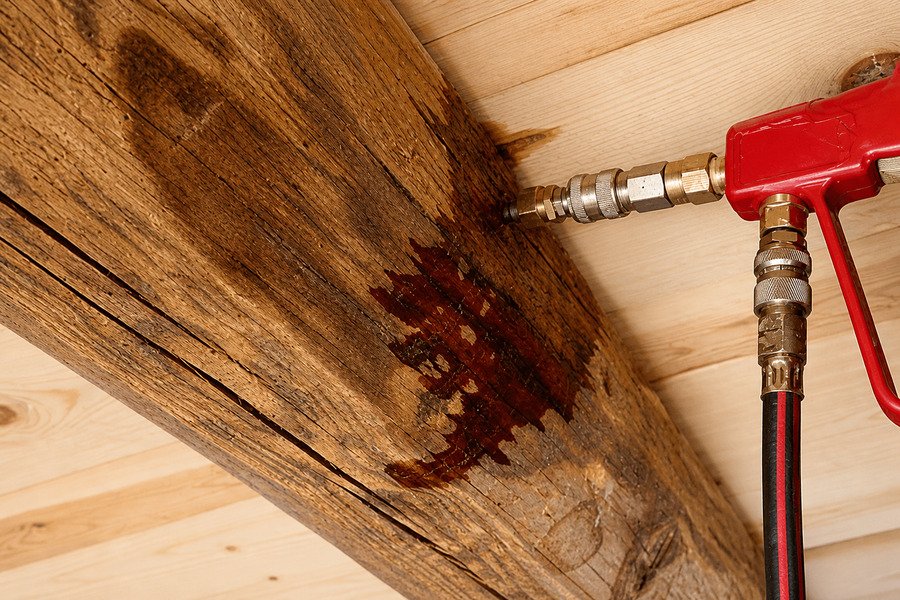
There are several types of soil treatments commonly used in Florida to prevent termite infestations. Each method has its own advantages and is chosen based on specific site conditions and the level of termite activity in the area. The most common types include liquid termiticides, termite baiting systems, and physical barriers.
Liquid termiticides are the most widely used soil treatment in Florida. These chemicals are applied to the soil to create a continuous barrier around the foundation of the building. There are two main categories of liquid termiticides: repellent and non-repellent. Repellent termiticides work by creating a barrier that termites avoid, while non-repellent termiticides are undetectable to termites and kill them upon contact. Both types are effective, but non-repellent termiticides are generally preferred for their ability to eliminate entire termite colonies.
Termite baiting systems are another popular method for preventing termite infestations. These systems involve placing bait stations filled with a slow-acting termiticide around the perimeter of the building. Termites are attracted to the bait, consume it, and carry it back to their colony, where it eventually kills other members of the colony. Baiting systems are particularly useful for monitoring termite activity and ensuring long-term protection.
Physical barriers, such as stainless-steel mesh or sand barriers, can also be used in conjunction with chemical treatments. These barriers are installed during construction to block termites from entering the building through small cracks and gaps. While physical barriers alone may not be sufficient to prevent termite infestations, they can enhance the effectiveness of chemical treatments and provide an additional layer of protection.
The Benefits of Investing in Pre-Construction Termite Treatment
Investing in pre-construction termite treatment offers numerous benefits that extend beyond immediate protection. One of the most significant advantages is the long-term cost savings. By addressing potential termite issues before they occur, you can avoid the substantial costs associated with repairing termite damage. The expense of pre-construction treatment is relatively small compared to the financial burden of dealing with a full-blown infestation.
Another benefit is the increased value and marketability of your home. A property with a documented history of termite prevention measures is more attractive to potential buyers. It provides peace of mind to prospective homeowners, knowing that the property has been proactively protected against termites. This can be a significant selling point in the competitive real estate market, particularly in termite-prone areas like Florida.
Pre-construction termite treatment also contributes to the overall structural integrity and longevity of your home. By preventing termite infestations, you ensure that the wooden components of your home remain strong and durable. This is especially important in Florida, where the combination of high humidity and termite activity can accelerate wood decay. A well-protected home is more likely to withstand the test of time and maintain its structural integrity.
Regulatory Requirements for Termite Treatments in Florida
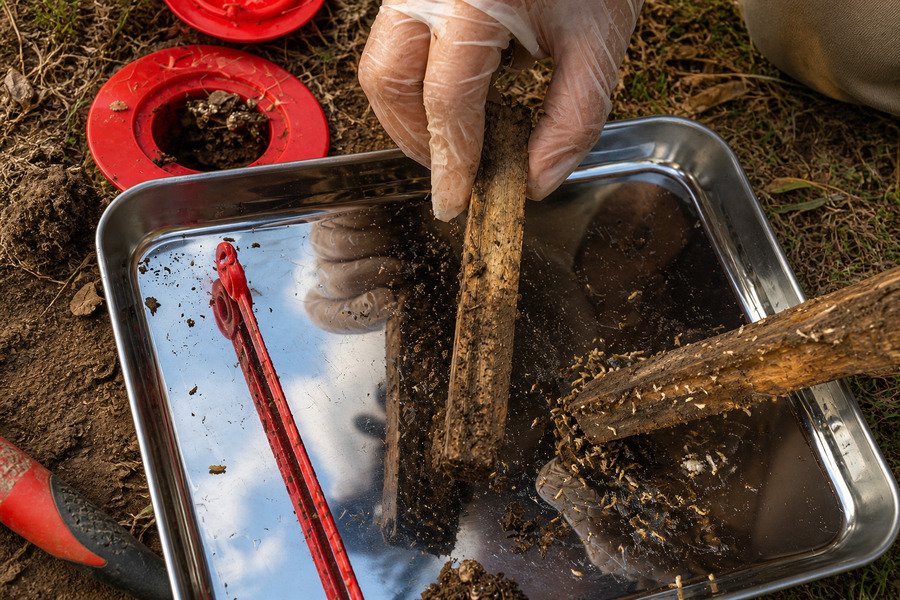
Florida has stringent regulatory requirements for termite treatments to protect homeowners and ensure the effectiveness of pest control measures. The Florida Department of Agriculture and Consumer Services (FDACS) oversees the regulation of termite treatments and the licensing of pest control professionals. Compliance with these regulations is essential for ensuring the safety and efficacy of termite control methods.
One of the key regulatory requirements is the use of termiticides that are registered and approved by the Environmental Protection Agency (EPA) and FDACS. This ensures that the chemicals used are safe for humans, pets, and the environment while being effective against termites. Pest control professionals must follow specific application guidelines to ensure proper coverage and effectiveness of the treatment.
In addition to chemical regulations, Florida law mandates that pest control companies provide a written contract outlining the terms of the treatment, including the type of termiticide used, the areas treated, and the duration of the warranty. This contract serves as a guarantee of the treatment’s effectiveness and provides homeowners with recourse in case of a termite infestation. Regular inspections and follow-up treatments may also be required to maintain the warranty and ensure ongoing protection.
Choosing the Right Pest Control Professional for Soil Treatment
Selecting the right pest control professional is crucial for the success of your pre-construction termite treatment. The expertise and experience of the pest control company can significantly impact the effectiveness of the treatment and the long-term protection of your home. Here are some key factors to consider when choosing a pest control professional for soil treatment.
First and foremost, ensure that the pest control company is licensed and certified by the Florida Department of Agriculture and Consumer Services (FDACS). This certification indicates that the company meets the state’s regulatory requirements and has the necessary training and expertise to perform termite treatments. Additionally, look for a company with a solid reputation and positive customer reviews. Word-of-mouth recommendations and online testimonials can provide valuable insights into the quality of their services.
Experience is another critical factor to consider. A company with extensive experience in pre-construction termite treatment will have a deeper understanding of the local termite species, soil conditions, and construction practices. They will be better equipped to identify potential risks and implement effective treatment strategies. Don’t hesitate to ask for references and examples of previous projects to gauge their experience and track record.
Finally, consider the level of customer service and support provided by the pest control company. A reputable company will offer clear communication, transparent pricing, and a detailed treatment plan. They should also provide a warranty or guarantee for their services, ensuring that you have recourse in case of a termite infestation. By choosing the right pest control professional, you can have confidence in the effectiveness of your pre-construction termite treatment.
Cost Considerations for Pre-Construction Termite Treatment
The cost of pre-construction termite treatment can vary depending on several factors, including the size of the property, the type of soil treatment used, and the pest control company you choose. While the initial investment may seem significant, it is important to consider the long-term savings and benefits of preventing termite infestations.
On average, the cost of pre-construction termite treatment in Florida ranges from $1,500 to $3,000 for a standard-sized home. This includes the application of termiticides to the soil, follow-up inspections, and a warranty for the treatment. The size and complexity of the construction project can impact the overall cost, with larger or more complex projects requiring more extensive treatment and higher costs.
It is also essential to factor in the potential costs of termite damage if pre-construction treatment is not performed. Termite infestations can cause extensive structural damage that may require costly repairs, ranging from a few thousand dollars to tens of thousands of dollars. In severe cases, termite damage can compromise the safety and integrity of the home, leading to even higher repair costs and potential temporary relocation expenses.
While the upfront cost of pre-construction termite treatment may seem high, it is a worthwhile investment that can save you from the financial and emotional burden of dealing with a termite infestation. By protecting your home from the outset, you can enjoy peace of mind and long-term security, knowing that your investment is safeguarded against these destructive pests.
Long-Term Maintenance and Monitoring After Soil Treatment
Pre-construction termite treatment is a critical first step, but ongoing maintenance and monitoring are essential to ensure continued protection against termites. Even the most effective soil treatments can degrade over time due to environmental factors, construction activities, and other variables. Regular inspections and maintenance are necessary to maintain the integrity of the termite barrier and address any potential vulnerabilities.
One of the key components of long-term maintenance is regular termite inspections. Professional pest control companies typically recommend annual or bi-annual inspections to monitor for signs of termite activity and assess the condition of the termite barrier. During these inspections, pest control professionals will check for mud tubes, damaged wood, and other indicators of termite presence. Early detection of termite activity allows for prompt intervention and prevents extensive damage.
In addition to inspections, it is important to maintain proper moisture control around your home. Termites are attracted to moisture, and areas with poor drainage or water accumulation can create conducive conditions for termite infestations. Ensure that gutters and downspouts are functioning properly, address any plumbing leaks promptly, and maintain proper grading around the foundation to prevent water from pooling near the structure.
Another aspect of long-term maintenance is the potential need for re-treatment. While high-quality termiticides can provide long-lasting protection, their effectiveness may diminish over time. Periodic re-treatment may be necessary to reinforce the termite barrier and ensure continued protection. Consult with your pest control professional to determine the appropriate re-treatment schedule based on the specific conditions of your property.
Conclusion: Protecting Your Investment with Pre-Construction Termite Treatment
Building a new home is a significant investment, and taking proactive measures to protect it from termite infestations is essential. Pre-construction termite treatment is a critical step that creates a strong defense against these destructive pests, ensuring the long-term integrity and value of your home. By investing in soil treatment before construction, you can save yourself from the financial and emotional burden of dealing with termite damage down the line.
Understanding the behavior and impact of termites, the importance of pre-construction treatment, and the various soil treatment methods available empowers you to make informed decisions about protecting your property. Additionally, choosing the right pest control professional and adhering to regulatory requirements ensures the effectiveness and safety of the treatment. While the upfront cost of pre-construction termite treatment may seem significant, it is a worthwhile investment that offers long-term benefits and peace of mind.
Ongoing maintenance and monitoring are crucial to maintaining the effectiveness of the termite barrier and addressing any potential vulnerabilities. Regular inspections, moisture control, and periodic re-treatment ensure continued protection against termites. By taking a proactive approach and prioritizing pre-construction termite treatment, you can safeguard your investment and enjoy the peace of mind that comes with knowing your home is protected from these relentless invaders.