

Conehead termites in Florida are a growing concern for homeowners. Discover what you need to know to protect your property from these destructive pests.
Identifying Conehead Termites: Signs and Symptoms
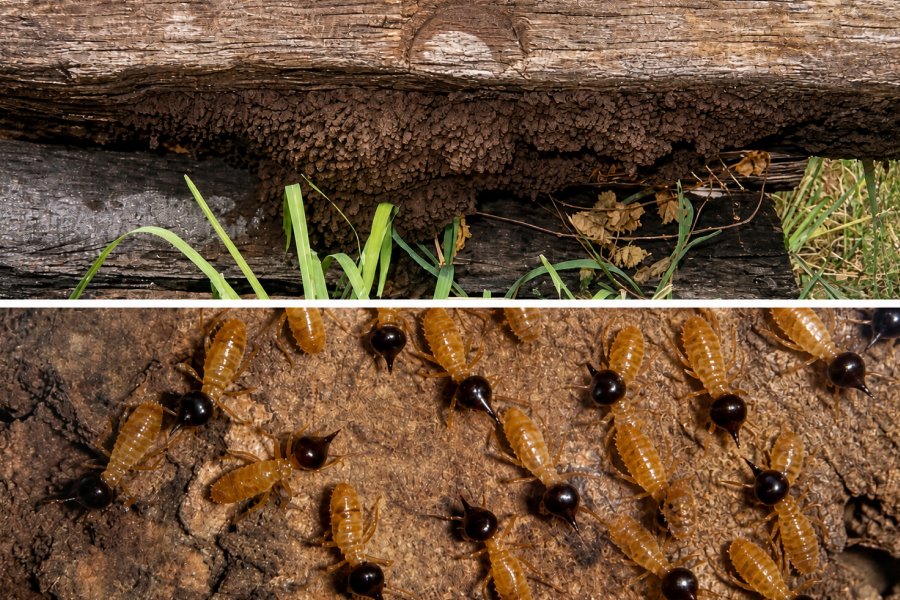
Conehead termites, originally known as tree termites, have made their presence felt in Florida, causing significant alarm among homeowners. Recognizing these pests is crucial in preventing extensive damage to your property. One of the most distinguishing features of conehead termites is their dark, cone-shaped heads, which give them their name. Unlike subterranean termites, conehead termites do not rely on underground tunnels, making them easier to spot above ground.
Observing the physical appearance of these termites can be your first step in identifying an infestation. Conehead termites are generally dark brown to black in color and have a more streamlined body compared to other termite species. Their soldiers, in particular, are quite noticeable due to their prominent heads, which they use to defend the colony.
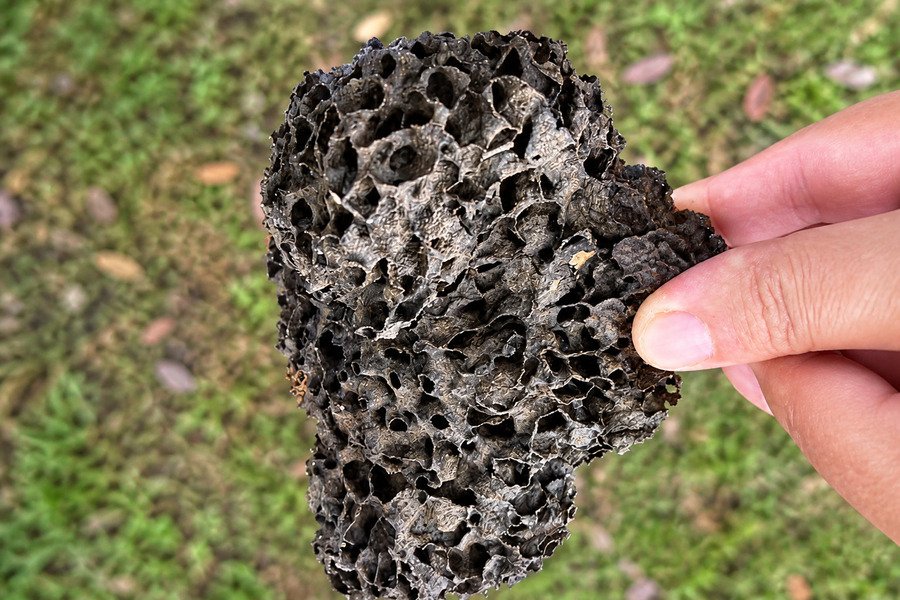
Another significant sign of conehead termite infestation is the presence of their distinctive nests. These termites build large, brown, and lumpy nests that resemble hardened soil or mud. These nests can be found in trees, on the ground, and even on the sides of buildings. Additionally, you might notice their foraging tubes, which look like thin, mud-covered pathways that they use to travel between their nest and food sources.
The Life Cycle of Conehead Termites
Understanding the life cycle of conehead termites can provide insights into how they spread and how best to control them. The life cycle of these termites consists of several stages, starting from the egg, larval, nymph, and finally, adult stage. Each stage plays a crucial role in the growth and expansion of the colony.
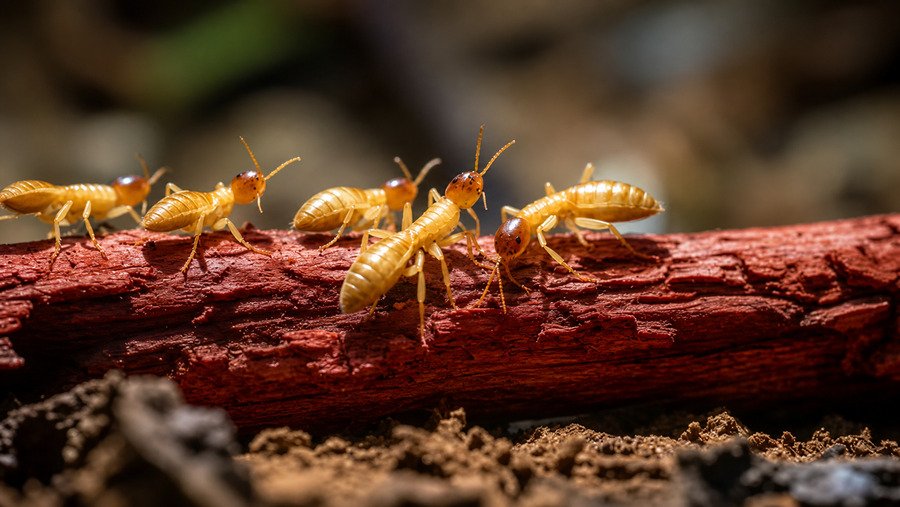
The process begins with the queen laying eggs, which hatch into larvae. These larvae then go through several molts to become nymphs. Nymphs are the immature termites that will eventually mature into workers, soldiers, or reproductive termites. The workers are responsible for feeding the colony and building nests, while the soldiers protect the colony from predators. The reproductive termites, or alates, are winged and are responsible for starting new colonies.
During the reproductive stage, the alates swarm out of the nest to mate and establish new colonies. This typically occurs during warm, humid weather. After mating, these alates lose their wings and start a new colony as king and queen. The cycle then begins anew, with the queen laying eggs and the colony expanding. This life cycle can occur over several years, making early detection and intervention critical.
Why Conehead Termites are a Threat to Florida Homes
Florida’s warm, humid climate provides an ideal environment for conehead termites to thrive, making them a significant threat to homes in the region. Unlike subterranean termites, conehead termites are known for their aggressive foraging behavior and ability to consume a wide range of materials. They are not limited to wood; they can also damage plastics, rubber, and even thin sheets of metal.
The primary threat posed by conehead termites is their rapid ability to cause extensive structural damage. Their large colonies can quickly compromise the integrity of wooden structures, leading to costly repairs. Homes with wooden frameworks, floors, and sidings are particularly vulnerable. Moreover, because conehead termites do not rely on underground tunnels, they can spread more rapidly and are harder to contain once they infest an area.
Another reason conehead termites are a significant threat is their ability to create satellite nests. This means that even if one nest is destroyed, other nests in the vicinity can continue to thrive and cause damage. These satellite nests can be located in trees, shrubs, or other wooden structures around your home, making it challenging to completely eradicate the infestation without professional help.
Prevention Strategies for Homeowners
Preventing a conehead termite infestation requires a proactive approach that involves regular inspections and maintenance. One of the most effective prevention strategies is to eliminate potential food sources and nesting sites around your home. This includes removing any dead wood, tree stumps, and other cellulose-based materials from your yard. Regularly trim trees and shrubs to prevent them from touching your home, as these can serve as pathways for termites.
Another crucial prevention strategy is to reduce moisture levels around your home. Conehead termites are attracted to damp environments, so it’s essential to fix any leaks in your plumbing, roof, or gutters. Ensure that your home’s foundation has proper drainage to prevent water accumulation. Using dehumidifiers in crawl spaces and basements can also help keep moisture levels in check.
Regular inspections by a professional pest control service are also vital in preventing conehead termite infestations. These experts can identify early signs of termite activity and implement preventive treatments to protect your home. They can also provide valuable advice on how to make your property less attractive to termites, such as using termite-resistant building materials and installing physical barriers.
Effective Treatment Options for Conehead Termites
If you suspect a conehead termite infestation, it’s crucial to act quickly to minimize damage to your property. Several effective treatment options are available, ranging from chemical treatments to more environmentally friendly methods. One of the most common treatments is the application of liquid termiticides around the perimeter of your home. These chemicals create a barrier that termites cannot cross, effectively preventing them from entering your home.
Another effective treatment option is baiting systems. These systems involve placing bait stations around your property, which termites find and consume. The bait contains a slow-acting toxin that the termites bring back to their colony, eventually leading to the colony’s elimination. Baiting systems are particularly useful for targeting satellite nests and can be used in conjunction with liquid termiticides for a more comprehensive approach.
For those looking for more environmentally friendly options, there are several natural treatments available. One such method is the use of beneficial nematodes, which are microscopic worms that prey on termites. These nematodes can be introduced into the soil around your home and will seek out and kill termites. Additionally, essential oils such as orange oil and neem oil have been found to be effective in repelling and killing termites. However, these natural treatments may require more frequent applications and might not be as immediately effective as chemical treatments.
The Role of Professional Pest Control Services
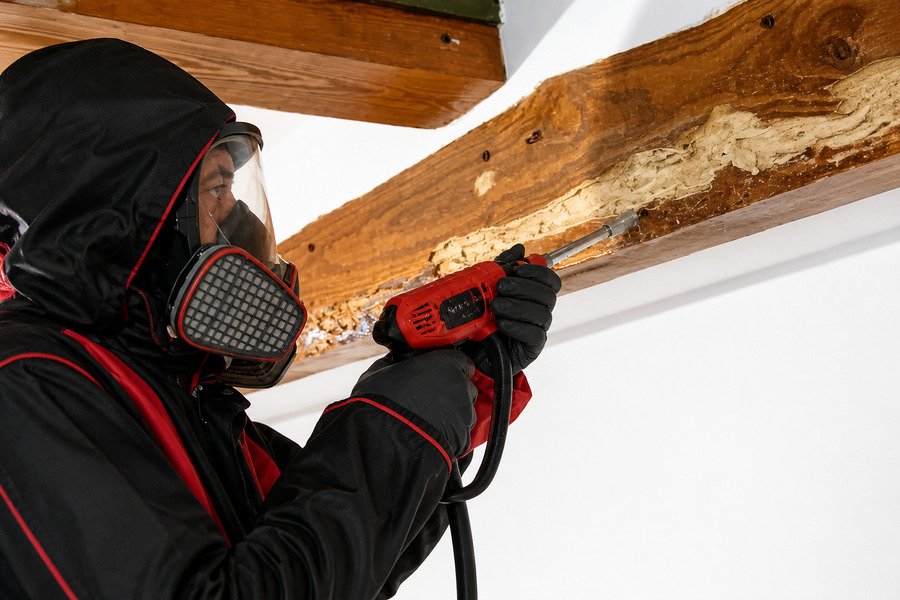
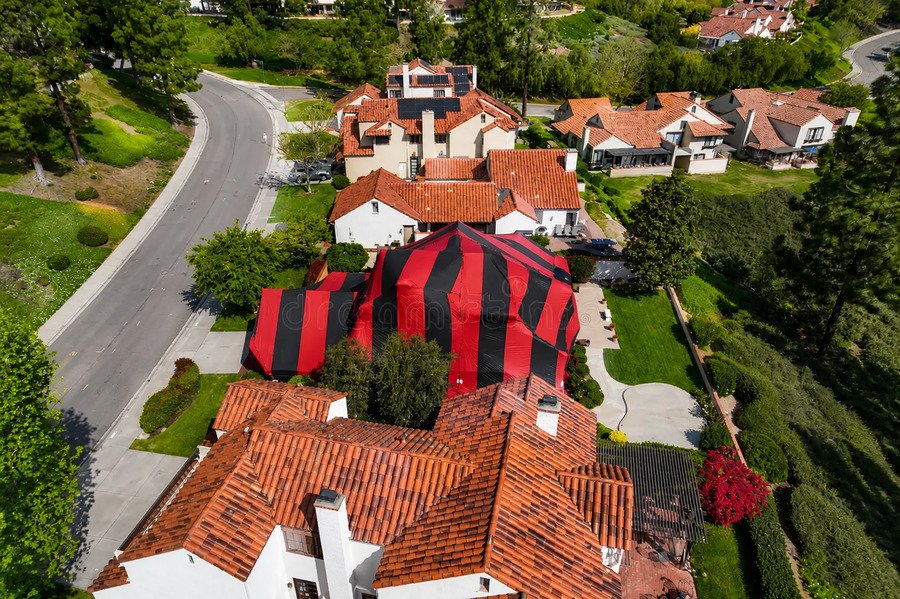
While DIY treatments can be effective in some cases, the complexity and persistence of conehead termite infestations often require the expertise of professional pest control services. These professionals have the knowledge, experience, and tools necessary to accurately assess the extent of the infestation and implement effective treatment plans.
One of the primary roles of professional pest control services is to conduct thorough inspections of your property. They can identify not only the presence of conehead termites but also potential risk factors that could attract these pests. Based on their findings, they can recommend and implement customized treatment plans that address the specific needs of your home.
In addition to treatment, professional pest control services can provide ongoing monitoring and maintenance to ensure that the infestation does not return. This can include regular inspections, reapplication of treatments, and recommendations for preventive measures. By partnering with a reputable pest control company, you can have peace of mind knowing that your home is protected from the destructive impact of conehead termites.
Frequently Asked Questions About Conehead Termites
What do conehead termites look like?
Conehead termites are typically dark brown to black in color and have a distinctive cone-shaped head. They are more streamlined in appearance compared to other termite species, and their soldiers have prominent heads used for defense.
How do conehead termites differ from other termite species?
Unlike subterranean termites, conehead termites do not rely on underground tunnels and can build their nests above ground. They are also more aggressive foragers and can consume a wider range of materials, including wood, plastics, and rubber.
What are the signs of a conehead termite infestation?
Signs of a conehead termite infestation include the presence of their distinctive nests, which resemble hardened soil or mud, and their foraging tubes, which look like thin, mud-covered pathways. You may also notice physical damage to wooden structures or other materials in your home.
How can I prevent a conehead termite infestation?
Preventing a conehead termite infestation involves eliminating potential food sources and nesting sites around your home, reducing moisture levels, and conducting regular inspections. Professional pest control services can also provide preventive treatments and recommendations to protect your property.
What treatment options are available for conehead termites?
Treatment options for conehead termites include chemical treatments such as liquid termiticides, baiting systems, and natural treatments like beneficial nematodes and essential oils. Professional pest control services can recommend and implement the most effective treatment plan for your specific situation.
Conehead Termites vs. Other Termite Species in Florida
Florida is home to several termite species, each with its own unique characteristics and behaviors. Understanding the differences between conehead termites and other common termite species in Florida can help homeowners take appropriate measures to protect their property.
One of the most common termite species in Florida is the subterranean termite. Unlike conehead termites, subterranean termites build their nests underground and rely on a network of tunnels to reach their food sources. This makes them more challenging to detect and control. Subterranean termites are also known for their ability to cause extensive damage to wooden structures, often going unnoticed until significant damage has occurred.
Drywood termites are another common species in Florida. These termites differ from conehead termites in that they do not require contact with soil and can infest dry, undecayed wood. Drywood termites are typically found in attics, wooden furniture, and other dry wood structures. Unlike conehead termites, drywood termites produce small, pellet-like droppings, which can be a telltale sign of an infestation.
Formosan termites, an invasive species, are also present in Florida. These termites are similar to subterranean termites but are more aggressive and can form larger colonies. Formosan termites can cause significant structural damage in a short period and are often considered one of the most destructive termite species. Unlike conehead termites, Formosan termites are known for their ability to chew through plastic and metal, making them a formidable threat to homes and buildings.
Conclusion: Protecting Your Home from Conehead Termites
Conehead termites pose a significant threat to Florida homeowners, but with the right knowledge and proactive measures, you can protect your property from these destructive pests. Recognizing the signs and symptoms of an infestation, understanding the life cycle of conehead termites, and implementing effective prevention and treatment strategies are all crucial steps in safeguarding your home.
Regular inspections and maintenance, combined with the expertise of professional pest control services, can help ensure that your home remains termite-free. By staying informed and taking action at the first sign of trouble, you can minimize the risk of damage and maintain the structural integrity of your property.
In conclusion, while conehead termites are a growing concern in Florida, homeowners are not powerless against them. With vigilance, proper care, and professional assistance, you can protect your home from the devastating impact of these pests and enjoy peace of mind knowing that your property is secure.