

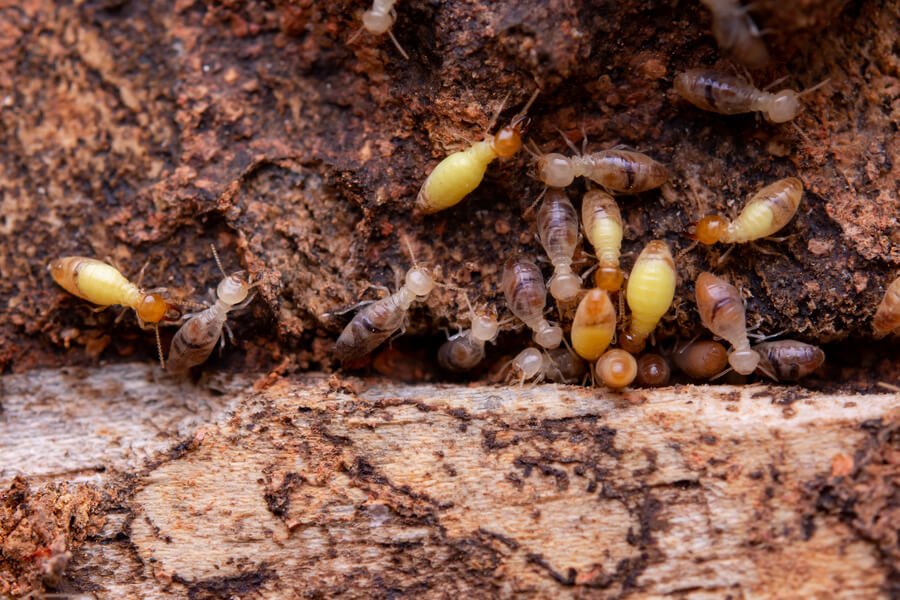
When it comes to protecting your home from destructive termites, the termite treatment Miami professionals trust most can make all the difference. Discover the most effective solutions recommended by certified experts in South Florida.
Understanding Termites: Types and Behavior
Termites are often dubbed the “Silent Destroyers” due to their ability to chew through wood, flooring, and even wallpaper undetected. To effectively combat these pests, it’s crucial to understand the different types of termites and their behaviors. In Miami, the most common types of termites are subterranean, drywood, and dampwood termites. Subterranean termites, as their name suggests, live underground and build elaborate tunnel systems to access wood sources above ground. These termites are particularly aggressive and can cause extensive damage in a short period.
Drywood termites, on the other hand, do not require contact with soil. They infest dry wood and are often found in furniture, hardwood floors, and the wooden structure of homes. Unlike subterranean termites, drywood termites create colonies within the wood they infest, making them harder to detect and treat. Dampwood termites prefer high-moisture environments and are typically found in decaying wood or areas with water damage. While less common, they can still pose a significant threat to homes with poor drainage or leaks.
Understanding these distinctions is vital for effective termite control. Each type of termite has unique behaviors and habitat preferences, which influence the treatment methods used to eradicate them. For instance, subterranean termites might require soil treatments, while drywood termites could be more effectively treated with fumigation. Knowing what you’re up against is the first step in protecting your home from these destructive pests.
Signs of a Termite Infestation
Detecting a termite infestation early can save homeowners thousands of dollars in repair costs. However, termites often go unnoticed until significant damage has occurred. One of the most telltale signs of a termite infestation is the presence of mud tubes. Subterranean termites build these pencil-sized tunnels to travel between their colony and food sources. These tubes are usually found on the exterior walls, foundation, or crawl spaces of a home.
Another common sign is the appearance of termite droppings, also known as frass. Drywood termites push their fecal pellets out of small holes near the surface of infested wood, leaving behind mounds that resemble sawdust or coffee grounds. These droppings are often found near windowsills, baseboards, or furniture. Additionally, discarded wings from swarmers (reproductive termites) can indicate an active infestation. Swarmers often emerge in large numbers, especially during the warmer months, and shed their wings after mating.
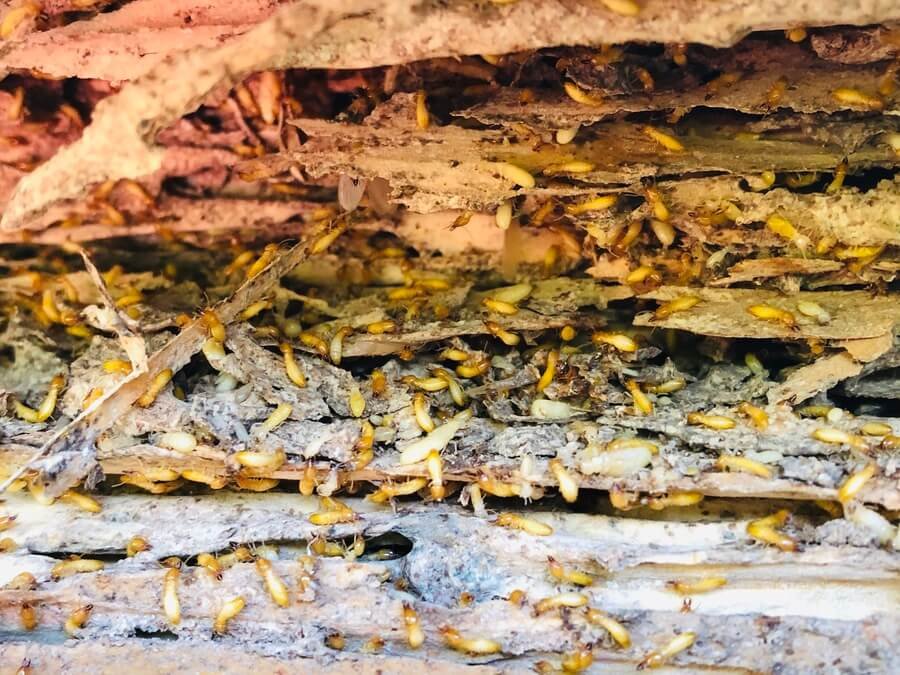
Wood damage is another indicator of termite activity. Termites consume wood from the inside out, leaving a thin veneer on the surface. This can cause wood to sound hollow when tapped or crumble easily when touched. In severe cases, structural damage may become visible, such as sagging floors, weakened support beams, or blistered wood. Regular inspections and being vigilant about these signs can help catch an infestation before it becomes a full-blown crisis.
Importance of Timely Termite Treatment
Timely termite treatment is crucial for several reasons, the foremost being the prevention of extensive structural damage. Termites can cause significant harm to a home’s integrity, often before any visible signs are apparent. Once termites establish a colony, they can consume wood and other cellulose materials around the clock. This relentless feeding can lead to weakened walls, ceilings, and floors, compromising the safety of your home and potentially leading to costly repairs.
Moreover, delaying termite treatment can lead to an infestation spreading to other areas of your property. Termites are not confined to one spot; they will seek out new food sources and can travel considerable distances to do so. This means that an untreated infestation in one part of your home can quickly become a widespread problem, affecting furniture, wardrobes, and even books. The longer you wait to address the issue, the more extensive and expensive the treatment will become.
Early treatment also helps in maintaining the value of your property. Homes with a history of termite damage can suffer in market value, as potential buyers are wary of the risks and costs associated with termite infestations. A prompt and effective treatment not only protects your investment but also provides peace of mind. It’s far better to spend money on early treatment than to face the exorbitant costs of extensive repairs and potential loss in property value.
Overview of Termite Treatment Methods
There are several methods for treating termite infestations, each with its own set of advantages and limitations. Broadly, these can be categorized into chemical treatments, bait systems, and natural or eco-friendly solutions. Chemical treatments are one of the most widely used methods due to their effectiveness and relatively fast results. These treatments often involve liquid termiticides that are applied to the soil around a home’s foundation or directly to the infested wood. The chemicals create a barrier that termites cannot cross, effectively killing them on contact.
Bait systems offer an alternative to traditional chemical treatments. These systems involve placing bait stations around the perimeter of a home. The bait contains a slow-acting toxin that termites carry back to their colony, eventually eliminating the entire population. Bait systems are less invasive and can be particularly effective for subterranean termite infestations. However, they may take longer to show results compared to liquid termiticides.
Natural and eco-friendly solutions are gaining popularity as homeowners become more environmentally conscious. These methods include the use of beneficial nematodes, essential oils, and botanical extracts that are toxic to termites but safe for humans and pets. While these treatments may require more frequent application and monitoring, they offer a safer alternative for those concerned about the environmental impact of chemical treatments. Each method has its own set of pros and cons, making it essential to consult with a professional to determine the best approach for your specific situation.
Chemical Treatments: Pros and Cons
Chemical treatments are a popular choice for termite control due to their proven effectiveness and relatively quick results. One of the primary advantages of chemical treatments is their ability to create a long-lasting barrier that prevents termites from entering a home. Liquid termiticides, for example, can remain effective for several years, providing ongoing protection against future infestations. Additionally, chemical treatments can be applied directly to infested areas, offering immediate relief from active termite colonies.
However, there are also some drawbacks to consider. The use of chemicals can pose health risks to humans and pets if not applied correctly. It’s essential to hire a certified professional who follows safety guidelines to minimize exposure and ensure proper application. Another disadvantage is the potential environmental impact. Chemical runoff can contaminate soil and water sources, affecting local ecosystems. For this reason, some homeowners prefer to explore alternative methods that are less harmful to the environment.
Cost is another factor to consider. While chemical treatments can be highly effective, they can also be expensive, particularly for large or severe infestations. The initial cost may be higher than other methods, and ongoing monitoring and maintenance may be required to ensure continued effectiveness. Despite these drawbacks, chemical treatments remain a reliable and widely used option for termite control, offering fast and durable results when applied correctly.
Natural and Eco-Friendly Termite Solutions
As concerns about environmental impact and health risks grow, many homeowners are turning to natural and eco-friendly termite solutions. These methods aim to eliminate termites without the use of harsh chemicals, making them a safer option for families, pets, and the environment. One popular natural solution is the use of beneficial nematodes, microscopic worms that are harmless to humans but lethal to termites. These nematodes are introduced into the soil around infested areas, where they seek out and infect termites, ultimately killing them.
Essential oils, such as orange oil and neem oil, are another eco-friendly option for termite control. These oils contain compounds that are toxic to termites but safe for humans and pets. Orange oil, for example, contains d-limonene, which dissolves the exoskeletons of termites, leading to their death. Neem oil disrupts the reproductive cycle of termites, preventing them from laying eggs. These oils can be applied directly to infested wood or mixed with water and sprayed around the home’s perimeter.
Botanical extracts and plant-based pesticides also offer a natural alternative to chemical treatments. These products are derived from plants with natural insecticidal properties, such as pyrethrum and diatomaceous earth. Pyrethrum, extracted from chrysanthemum flowers, attacks the nervous system of termites, while diatomaceous earth is a fine powder that physically abrades and dehydrates them. While these natural solutions may require more frequent applications and careful monitoring, they provide an effective and environmentally friendly way to combat termites.
The Role of Professional Pest Control Services
While DIY methods and natural solutions can be effective, there are situations where professional pest control services are indispensable. Certified pest control experts have the knowledge, experience, and tools to accurately diagnose the extent of a termite infestation and recommend the most effective treatment. They can identify the specific type of termite, locate hidden colonies, and determine the best course of action to eliminate the problem.
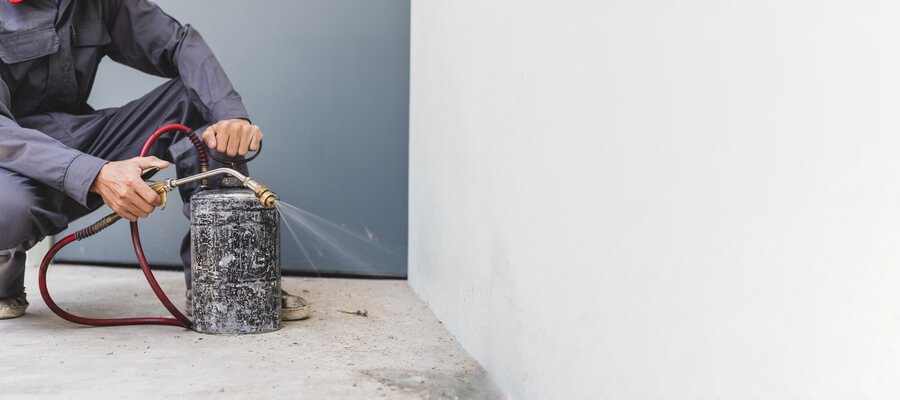
Professional services also offer the advantage of using advanced treatment methods that may not be available to the average homeowner. For example, some pest control companies use specialized equipment to apply liquid termiticides deep into the soil or inject foam treatments into wall voids where termites are hiding. These techniques ensure that the treatment reaches all areas of the infestation, providing comprehensive protection.
Furthermore, professional pest control services often include a warranty or guarantee, offering peace of mind that the problem will be resolved. If termites return within a specified period, the company will retreat the area at no additional cost. This level of assurance is particularly valuable for homeowners dealing with severe or recurring infestations. By hiring a professional, you can be confident that your home is receiving the most effective and thorough treatment available.
Preventive Measures to Avoid Termite Infestations
Preventing a termite infestation is far easier and less costly than treating one. There are several proactive measures homeowners can take to reduce the risk of termites invading their property. One of the most effective strategies is to eliminate moisture sources around the home, as termites are attracted to damp environments. Ensure that gutters and downspouts are functioning correctly and direct water away from the foundation. Fix any leaks in plumbing or roofing promptly and maintain proper ventilation in crawl spaces and attics.
Another important preventive measure is to reduce wood-to-soil contact. Termites can easily access wood that is in direct contact with the ground, so it’s essential to create a barrier. Store firewood, lumber, and other wooden materials at least 20 feet away from the home and off the ground. Use termite-resistant materials, such as treated wood or metal, for structures like decks, fences, and sheds. Additionally, consider installing a physical barrier, such as a metal mesh or sand layer, around the foundation to deter termites from entering.
Regular inspections are also crucial in preventing termite infestations. Conduct a thorough examination of your home at least once a year, paying close attention to areas where termites are commonly found, such as basements, crawl spaces, and wooden structures. Look for signs of termite activity, such as mud tubes, frass, and wood damage. If you suspect an infestation, contact a professional pest control service immediately for a comprehensive inspection and treatment plan. By taking these preventive measures, you can protect your home from the devastating effects of termites.
Cost Analysis of Termite Treatments in Miami
The cost of termite treatment in Miami can vary widely depending on several factors, such as the severity of the infestation, the type of termites, and the chosen treatment method. On average, homeowners can expect to pay between $500 and $3,000 for professional termite treatment. Chemical treatments, such as liquid termiticides, tend to be on the lower end of the cost spectrum, with prices ranging from $500 to $1,500. These treatments are effective and long-lasting, making them a cost-effective option for many homeowners.
Bait systems, while less invasive, can be more expensive, with costs ranging from $1,000 to $2,500. These systems require ongoing monitoring and maintenance, which can add to the overall expense. However, the long-term effectiveness and minimal disruption to the home make bait systems an attractive option for many. Fumigation, often used for severe or widespread infestations, is typically the most expensive treatment, with costs ranging from $1,500 to $3,000. This method involves tenting the entire home and can require homeowners to temporarily vacate the premises.
Natural and eco-friendly treatments, such as essential oils and beneficial nematodes, are generally less expensive than chemical treatments, with costs ranging from $200 to $1,000. However, these methods may require more frequent applications and monitoring, which can add to the long-term cost. It’s important to weigh the pros and cons of each treatment method and consider factors such as effectiveness, environmental impact, and budget when making a decision. Consulting with a professional pest control service can help you determine the most cost-effective and suitable treatment for your specific situation.

Conclusion: Choosing the Right Treatment for Your Home
Choosing the right termite treatment for your home is a critical decision that requires careful consideration of various factors. Understanding the types of termites and their behaviors, recognizing the signs of an infestation, and appreciating the importance of timely treatment are essential steps in protecting your home. With a range of treatment methods available, from chemical treatments and bait systems to natural and eco-friendly solutions, homeowners have multiple options to address their specific needs and preferences.
While chemical treatments offer fast and long-lasting results, they may pose health risks and environmental concerns. Natural and eco-friendly solutions provide a safer alternative but may require more frequent applications and monitoring. Professional pest control services play a vital role in accurately diagnosing infestations and implementing effective treatment plans, often with the added assurance of warranties and guarantees. Preventive measures, such as eliminating moisture sources, reducing wood-to-soil contact, and conducting regular inspections, can significantly reduce the risk of termite infestations.
Considering the costs associated with different treatments and the potential impact on your home’s value, it’s crucial to make an informed decision. Consulting with certified pest control experts can provide valuable insights and recommendations tailored to your specific situation. By taking a proactive approach and choosing the most effective termite treatment, you can safeguard your home from the destructive impact of termites and enjoy peace of mind for years to come.