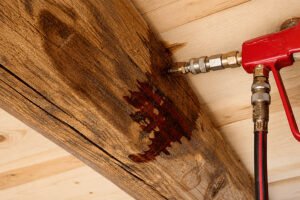
 Soil treatment is a methodical process that involves applying termiticides to the soil before the foundation of a building is laid. The goal is to create a chemical barrier that repels or kills termites attempting to enter the structure from the ground — essential because subterranean termites, the most common type in Florida, build their colonies underground and travel through the soil to reach food sources.
The process begins with a thorough inspection of the construction site to identify potential termite entry points and areas that require treatment. Once the site is prepared, termiticide is applied to the soil around the foundation, under slabs, and in trenches around the perimeter of the building. High-quality termiticides can remain active in the soil for several years, though effectiveness can be influenced by soil type, weather conditions, and construction practices — regular monitoring and maintenance are essential to keep the barrier intact.
There are three main types of soil treatment used in Florida, each chosen based on site conditions and termite activity:
Liquid termiticides are the most widely used method, applied to create a continuous barrier around the foundation. There are two categories: repellent termiticides create a barrier termites avoid, while non-repellent termiticides are undetectable to termites and kill them on contact — non-repellent is generally preferred because it can eliminate entire colonies, not just block them.
Termite baiting systems place bait stations filled with a slow-acting termiticide around the building’s perimeter. Termites consume the bait and carry it back to the colony, where it eventually kills other members — useful both for prevention and for ongoing monitoring of termite activity.
Physical barriers, such as stainless-steel mesh or sand barriers, are installed during construction to block termites from entering through small cracks and gaps. Physical barriers alone usually aren’t sufficient, but combined with chemical treatment they add an extra layer of protection.




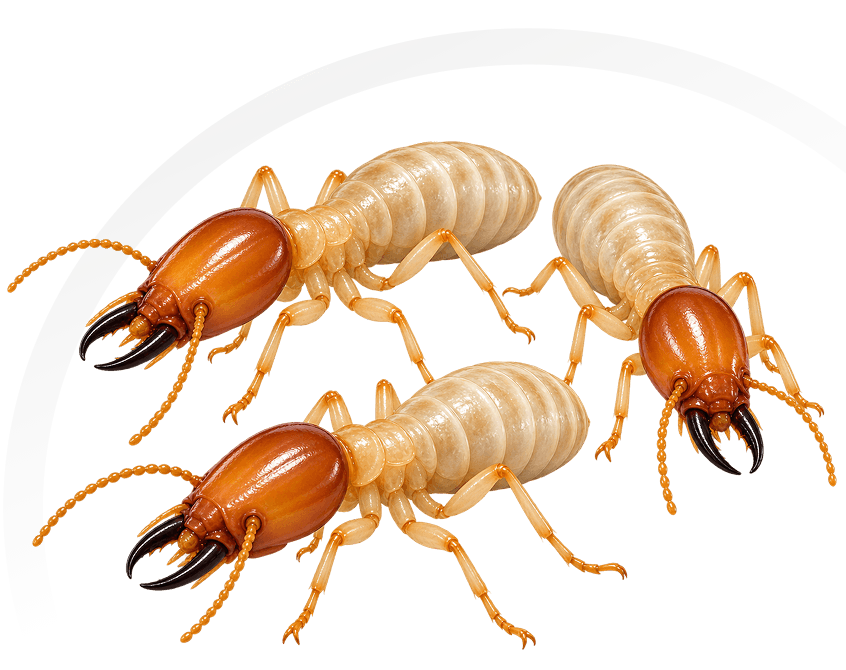

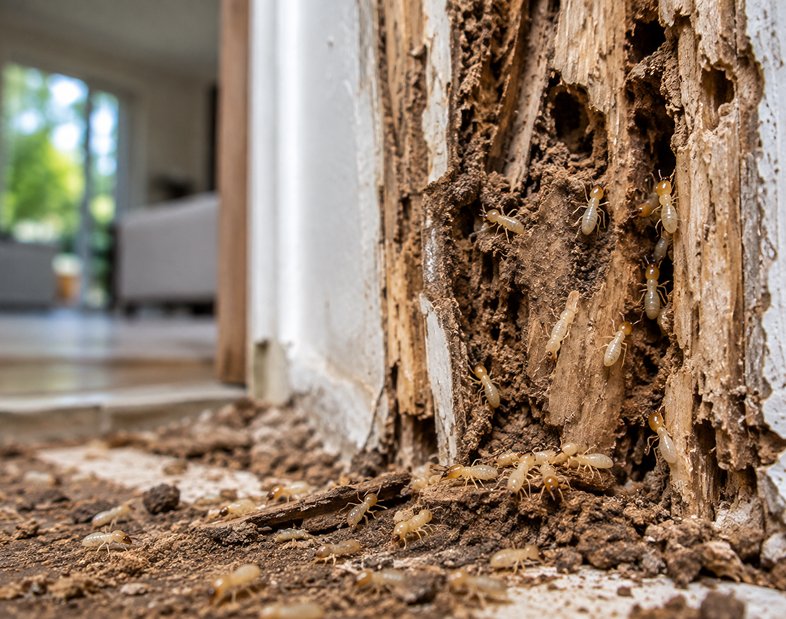
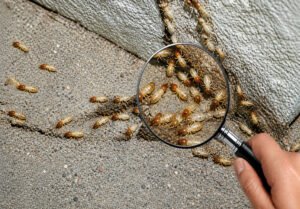 Investing in pre-construction termite treatment is a proactive step that can save you from future headaches and expenses. This preventative measure involves treating the soil where your home will be built, creating a barrier that deters termites from invading your property. Considering the high termite activity in Florida, pre-construction treatment is not just advisable but essential — it ensures that your home starts with a strong defense against these wood-destroying pests.
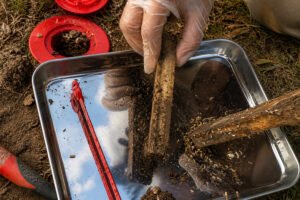 Investing in pre-construction termite treatment offers benefits beyond immediate protection. The most significant is long-term cost savings — addressing potential termite issues before they occur lets you avoid the substantial costs of repairing termite damage, and the expense of pre-construction treatment is relatively small compared to the financial burden of a full-blown infestation.
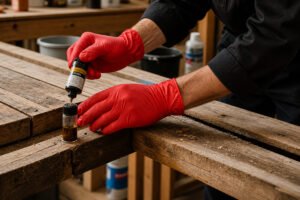 The cost of pre-construction termite treatment can vary depending on the size of the property, the type of soil treatment used, and the pest control company you choose. On average, it ranges from $1,500 to $3,000 for a standard-sized home in Florida, including the termiticide application, follow-up inspections, and a warranty. Larger or more complex construction projects require more extensive treatment and higher costs.


