


Wondering what a termite inspection entails? In Miami, experts ensure your home is safeguarded against these destructive pests. Discover what to expect!
Understanding Termite Inspections: An Overview
A termite inspection Miami homeowners rely on is essential for maintaining the structural integrity of your home. Certified pest control professionals are trained to detect termites at every stage of development — examining both the interior and exterior of your property to identify existing infestations and assess the potential for future termite activity. This thorough approach ensures no part of your home is ever overlooked.
During a termite inspection, pest control experts look for visible signs of termite activity, such as mud tubes, damaged wood, and discarded wings. They also assess areas prone to moisture, as termites thrive in damp environments — including basements, crawl spaces, and areas around plumbing fixtures. Using specialized tools and techniques, inspectors detect even the most subtle signs of termite presence, ensuring that any issues are identified promptly before termite treatment becomes urgent.
It’s important to note that termite inspections are not a one-time event. Regular inspections are crucial for preventing termite infestations from becoming a major problem. Depending on your location and the age of your home, pest control experts may recommend annual or bi-annual inspections. By staying proactive, you can protect your home from the costly damage that termites can cause.
The Importance of Termite Inspections in Miami
Miami’s warm and humid climate creates an ideal environment for termites to thrive. The combination of high temperatures and frequent rainfall provides the moisture that termites need to survive and reproduce. As a result, Miami homeowners are at a higher risk of termite infestations compared to those in other regions — making regular termite inspection Miami pest control services even more critical for local residents.
Termite damage can be extensive and costly to repair. These pests feed on wood and other cellulose-based materials, compromising the structural integrity of your home. If left unchecked, a termite infestation can lead to weakened support beams, damaged flooring, and even complete structural failure. Investing in regular termite inspections allows you to catch infestations early and pursue the right termite treatment before damage escalates.
In addition to protecting your property, termite inspections provide peace of mind. Knowing that your home is free from termites allows you to focus on other aspects of home ownership without the constant worry of hidden damage. For Miami homeowners, this peace of mind is invaluable given the unique risks posed by the local climate and environment.
Common Signs of Termite Infestation
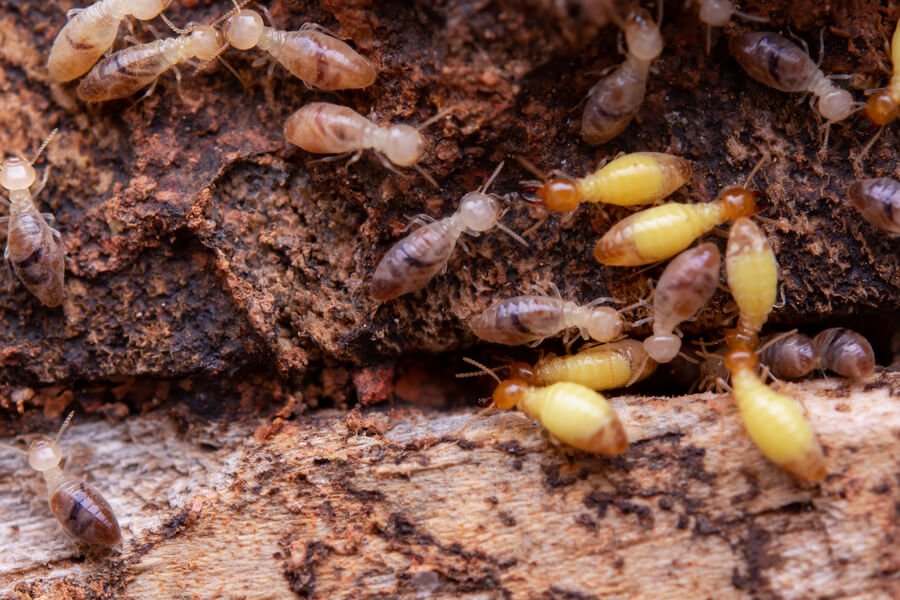
Recognizing the signs of a termite infestation is crucial for early detection and treatment. One of the most common indicators is the presence of mud tubes on the exterior of your home. These pencil-sized tunnels are created by termites to maintain a humid environment as they travel between their nest and food sources. Mud tubes are often found along the foundation or walls of a home and should be addressed immediately if discovered.
Another sign of termite activity is damaged or hollow-sounding wood. Termites consume wood from the inside out, leaving a thin veneer on the surface. Tapping on affected wood may produce a hollow sound, indicating that the interior has been compromised. Additionally, you may notice wood that appears blistered or darkened, which can also be a sign of termite damage.
Discarded wings are another telltale sign of a termite infestation. Termites shed their wings after swarming, often leaving piles of wings near windowsills, doors, or other entry points. Swarming typically occurs in the spring and early summer, so be extra vigilant during these months. If you notice any of these signs, it’s important to contact a termite inspection professional as soon as possible to assess the situation and recommend appropriate treatment options.
What to Expect During a Termite Inspection
When scheduling a termite inspection, it’s helpful to know what to expect during the process. The inspection typically begins with a thorough examination of the exterior of your home. The inspector will look for signs of termite activity, such as mud tubes, damaged wood, and areas of excessive moisture. They will also inspect the foundation, siding, and any wooden structures, such as decks or porches, for evidence of termites.
Next, the inspector will move to the interior of your home. This involves a detailed examination of all accessible areas, including basements, crawl spaces, attics, and utility rooms. The inspector will use tools such as moisture meters and infrared cameras to detect hidden termite activity. They will also look for signs of damage to wooden beams, flooring, and other structural components. The inspection process is thorough and meticulous, ensuring that no potential problem areas are overlooked.
Once the inspection is complete, the inspector will provide a detailed report of their findings. This report will include any evidence of termite activity, areas of concern, and recommendations for treatment or preventative measures. If termites are found, the inspector will discuss the severity of the infestation and outline the next steps for eradication and repair. It’s important to carefully review this report and ask any questions you may have to fully understand the scope of the issue and the recommended course of action.
The Role of Technology in Termite Inspections
Advancements in technology have significantly improved the accuracy and efficiency of termite inspections. One of the most notable developments is the use of infrared cameras. These cameras can detect temperature variations within walls and other structures, allowing inspectors to identify areas of moisture and potential termite activity that are not visible to the naked eye. This technology enables inspectors to pinpoint problem areas quickly and accurately, leading to more effective treatment plans.
Moisture meters are another valuable tool used in termite inspections. These devices measure the moisture content in wood and other materials, helping inspectors identify areas that are conducive to termite activity. By detecting high levels of moisture, inspectors can determine which areas of the home are most at risk and take appropriate action to address the issue. This proactive approach can prevent infestations from developing in the first place.
In addition to these tools, some termite inspection companies use specially trained dogs to detect termites. These dogs are trained to sniff out the scent of termites and their byproducts, providing an additional layer of accuracy to the inspection process. While not all companies use this method, it can be a valuable option for homeowners looking for the most comprehensive inspection possible. The integration of technology into termite inspections ensures that homeowners receive the most accurate and reliable results, allowing for timely and effective treatment.
How to Choose the Right Termite Inspection Service in Miami
Selecting the right termite inspection service is crucial for ensuring the safety and integrity of your home. Start by researching local companies and reading reviews from other homeowners. Look for companies with a proven track record of success and positive feedback from customers. It’s also important to choose a company that is licensed and insured, as this provides an added layer of protection and ensures that the inspectors are qualified to perform the job.
When evaluating potential termite inspection services, consider the range of services they offer. Some companies provide comprehensive inspection packages that include both termite and general pest inspections, while others may specialize solely in termite detection. Determine what level of service you need and choose a company that can meet those requirements. Additionally, ask about the tools and technology they use during inspections, as this can impact the accuracy and effectiveness of the inspection.
Another important factor to consider is the cost of the inspection. While it’s important to find a service that fits within your budget, it’s equally important to avoid choosing a company based solely on price. The cheapest option may not always provide the most thorough inspection, potentially leaving you with undetected termite issues. Instead, look for a company that offers a balance of quality service and reasonable pricing. By taking the time to research and compare your options, you can find a termite inspection service that meets your needs and provides peace of mind.
Questions to Ask Your Termite Inspector
When meeting with a termite inspector, it’s important to ask the right questions to ensure you fully understand the inspection process and the findings. Start by asking about the inspector’s qualifications and experience. Inquire about their training, certifications, and any specialized knowledge they may have in termite detection. This will give you confidence in their ability to accurately assess your home.
Next, ask about the tools and techniques used during the inspection. Find out if the inspector uses advanced technology, such as infrared cameras or moisture meters, to detect hidden termite activity. Understanding the methods used will help you gauge the thoroughness of the inspection and the likelihood of identifying any issues. Additionally, ask about the inspector’s process for examining both the interior and exterior of your home, and how long the inspection is expected to take.
Finally, discuss the findings and recommendations provided in the inspection report. Ask the inspector to explain any evidence of termite activity, areas of concern, and the severity of the infestation. Inquire about the recommended treatment options and preventative measures, and ask for clarification on any points that are unclear. By asking these questions, you can ensure that you have a comprehensive understanding of the inspection results and the steps needed to protect your home from termites.
Cost Factors for Termite Inspections in Miami
The cost of a termite inspection in Miami can vary based on several factors, including the size of your home, the complexity of the inspection, and the level of technology used. On average, homeowners can expect to pay between $75 and $150 for a standard termite inspection. However, more extensive inspections that involve advanced technology or specialized services, such as the use of trained dogs, may come at a higher cost.
One of the main factors influencing the cost of a termite inspection is the size of your home. Larger homes require more time and effort to inspect thoroughly, which can increase the overall cost. Additionally, homes with multiple levels, basements, or crawl spaces may also require more in-depth inspections, further impacting the price. It’s important to consider the size and layout of your home when budgeting for a termite inspection.
Another factor to consider is the level of expertise and reputation of the inspection service. Established companies with a proven track record of success may charge higher fees for their services, but they also offer the assurance of quality and reliability. While it may be tempting to choose a lower-cost option, it’s important to weigh the potential risks and benefits. Investing in a reputable and experienced inspection service can ultimately save you money in the long run by ensuring that any termite issues are identified and addressed promptly.
Post-Inspection Steps: What Happens Next?
Once the termite inspection is complete and you have received the report, the next steps will depend on the findings. If no evidence of termites is found, you can breathe a sigh of relief. However, it’s still important to follow any preventative recommendations provided by the inspector to reduce the risk of future infestations. This may include addressing moisture issues, sealing entry points, and maintaining regular inspections.
If termites are detected, the inspector will discuss the severity of the infestation and recommend appropriate treatment options. This may involve chemical treatments, baiting systems, or fumigation, depending on the extent of the problem. It’s important to carefully review the treatment plan and ask any questions you may have to ensure you fully understand the process. Once the treatment is complete, follow any post-treatment recommendations to prevent a recurrence of the infestation.
In addition to addressing the termite issue, you may also need to consider repairs to any damaged areas of your home. This could involve replacing damaged wood, reinforcing structural components, or addressing moisture problems. Working with a professional contractor can help ensure that the repairs are done correctly and that your home is restored to its original condition. By taking these post-inspection steps, you can protect your home from further damage and ensure a safe and comfortable living environment.
Conclusion: Ensuring Your Home is Termite-Free
Termite inspections are a crucial aspect of home maintenance, especially for Miami homeowners. The warm and humid climate creates an ideal environment for termites, making regular pest control inspections essential for protecting your property. By understanding what to expect from a termite inspection Miami professionals provide, recognizing the signs of infestation, and choosing the right service, you can safeguard your home effectively.
Advancements in technology have greatly improved the accuracy of termite inspections, allowing for early detection and prompt termite treatment. By asking the right questions and following the inspector’s recommendations, you can ensure that any termite issues are addressed quickly and thoroughly. While the cost may vary, investing in a reputable pest control service is a wise decision that saves you money and stress in the long run.
After the inspection, taking the necessary steps to address issues and implement preventative measures is key to maintaining a termite-free home. By prioritizing regular termite inspection Miami pest control services and following through on post-inspection recommendations, you can enjoy peace of mind knowing your home is fully protected from the threat of termites.