

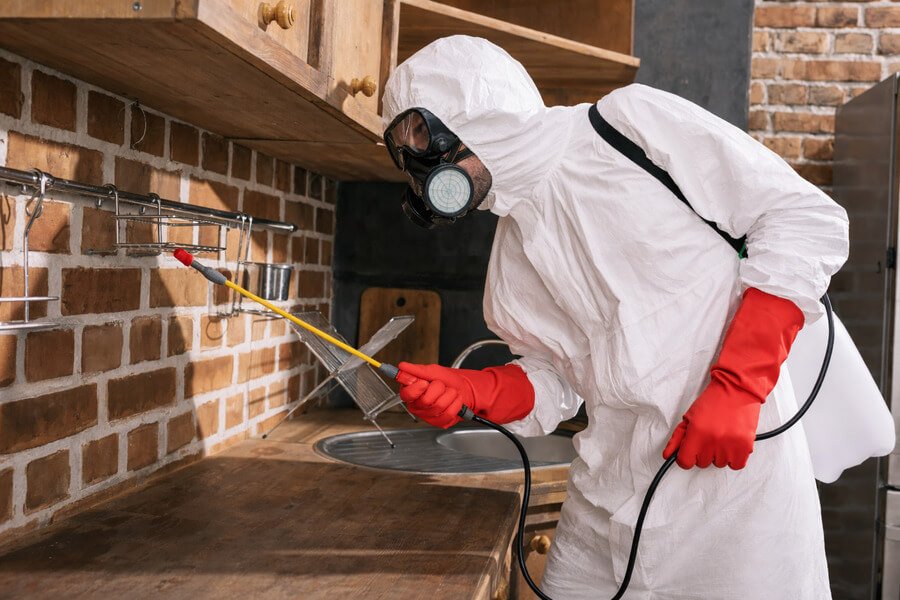
The process can feel overwhelming, but knowing how to prepare home for termite tenting the right way ensures a smooth and effective treatment for your Florida home.
Understanding Termite Tenting: What It Is and Why It’s Necessary
Termite tenting, also known as fumigation, is a comprehensive pest control method used to eradicate termite infestations in residential and commercial buildings. This process involves covering the entire structure with a tent and introducing a gas, typically sulfuryl fluoride, that penetrates deep into the wood and other materials where termites reside. The gas is lethal to termites but dissipates without leaving harmful residues, making it a highly effective solution for severe infestations.
Termite tenting is often necessary when other pest control methods, such as localized treatments or bait stations, fail to eliminate the infestation. Termites can cause significant structural damage over time, compromising the integrity of a building. By opting for tenting, homeowners can address the problem comprehensively, ensuring that all termites, including those hidden deep within walls and floors, are eradicated. This method is particularly effective for drywood termites, which are notorious for establishing colonies within the wood itself, as opposed to subterranean termites that live in the soil.
The necessity of termite tenting cannot be overstated, especially in regions like Florida, where the warm, humid climate creates ideal conditions for termite activity. Homeowners in such areas must be vigilant about termite inspections and proactive in their pest control measures. Failing to address a termite infestation promptly can lead to costly repairs and a significant decrease in property value. Understanding the process and its importance is the first step toward protecting your home from these destructive pests.
Signs of Termite Infestation: How to Identify the Problem
Recognizing the signs of a termite infestation early can save homeowners from extensive damage and costly repairs. One of the most common indicators is the presence of discarded wings near windowsills, doors, or other entry points. Termites shed their wings after swarming, which typically occurs during warm weather when they leave their colony to mate and establish new colonies. These wings are often one of the first visible signs of an infestation.
Another telltale sign of termites is the appearance of “mud tubes” on exterior walls, foundations, or crawl spaces. Subterranean termites construct these pencil-sized tubes to travel between their underground nests and the wooden structures they feed on. These tubes provide them with the necessary moisture and protection from predators. Breaking open a mud tube can reveal live termites inside, confirming an active infestation.
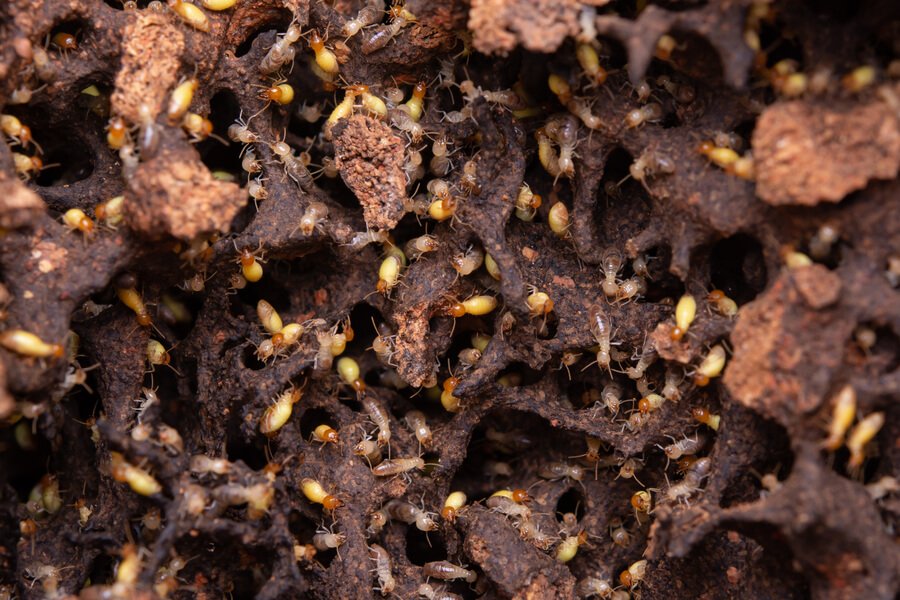
Additionally, homeowners may notice wood damage in the form of hollow-sounding wood or blistering on painted surfaces. Termites consume wood from the inside out, leaving a thin veneer or surface that may appear undamaged. Tapping on wood that sounds hollow or noticing blistered paint can indicate termite activity beneath the surface. Other signs include frass, which is termite droppings that resemble sawdust or coffee grounds, and the presence of live termites themselves, which can be spotted during renovations or repairs. Being aware of these signs and conducting regular inspections can help catch an infestation early, allowing for prompt and effective treatment.
The Importance of Proper Preparation for Termite Tenting
Proper preparation for termite tenting is crucial to ensure the safety of the occupants and the effectiveness of the treatment. This process involves several steps that must be meticulously followed to prepare the home for fumigation. By doing so, homeowners can minimize the risk of exposure to fumigants and protect their belongings from potential damage.
One of the primary reasons for thorough preparation is to ensure that the fumigant can penetrate all areas of the home. This means removing or properly sealing food items, medications, and other consumables to prevent contamination. Additionally, any plants, pets, and personal items that could be harmed by the fumigant must be removed from the premises. Proper preparation helps create an environment where the fumigant can effectively reach all termite colonies, ensuring a successful treatment.
Another important aspect of preparation is ensuring that the structure is adequately sealed to contain the fumigant. This involves working with the pest control company to cover vents, windows, and other openings with tape and plastic sheeting. Proper sealing prevents the gas from escaping and ensures that it remains at the necessary concentration to eliminate termites. Homeowners must also make arrangements for temporary relocation, as the fumigation process typically requires them to vacate the premises for a specified period.
In summary, proper preparation for termite tenting is essential for both safety and efficacy. By following the recommended guidelines and working closely with the pest control company, homeowners can ensure that the fumigation process is conducted smoothly and successfully. This preparation not only protects the inhabitants and their belongings but also maximizes the chances of completely eradicating the termite infestation.

Step-by-Step Guide to Preparing Your Home for Tenting
Preparing your home for termite tenting involves several detailed steps to ensure the process is safe and effective. Here is a comprehensive guide to help you through the preparation process:
- Consultation and Inspection: Begin by scheduling a consultation with a licensed pest control company. The professionals will conduct a thorough inspection of your home to assess the extent of the infestation and determine the best course of action. They will also provide you with specific preparation guidelines tailored to your home.
- Remove Consumables: All food items, including those in the refrigerator and freezer, must be removed or double-bagged in special fumigation bags provided by the pest control company. This also applies to medications, pet food, and any other consumables. Be sure to follow the company’s instructions on how to properly seal these items to prevent contamination.
- Take Out Valuables and Sensitive Items: Remove any valuables, sensitive items, and personal belongings that you do not want to leave in the house during the fumigation process. This includes important documents, jewelry, and electronics. It’s also a good idea to take out any items that could be damaged by the fumigant, such as artwork or plants.
- Prepare the Interior: Open all doors, drawers, and cabinets to allow the fumigant to circulate freely throughout the home. This includes closets, appliance doors, and even safes if they are not airtight. Additionally, lift blinds and drapes away from windows to ensure proper sealing of the structure.
- Secure the Exterior: Trim back any plants, shrubs, or trees that are close to the house to allow the tent to fit snugly around the structure. Ensure that all outdoor items, such as patio furniture, are moved away from the building. The pest control company may also require you to water the soil around the foundation to create a barrier that helps contain the fumigant.
- Make Arrangements for Pets and Plants: Pets and plants cannot remain in the home during fumigation. Make arrangements for their temporary relocation to ensure they are safe. This includes aquarium fish, which may need to be moved to a friend’s home or a pet boarding facility.
- Vacate the Premises: Plan to be out of your home for the duration of the fumigation process, which typically takes 24 to 72 hours. Ensure that you have all necessary items packed and ready for your temporary stay elsewhere. The pest control company will inform you when it is safe to return.
By following these steps, you can ensure that your home is properly prepared for termite tenting, minimizing risks and maximizing the effectiveness of the treatment.
Items to Remove from Your Home Before Tenting
When preparing for termite tenting, it’s essential to remove specific items from your home to prevent contamination and damage. Here’s a detailed list of items that should be taken out before the fumigation process begins:
Food and Consumables
All food items, including those in the pantry, refrigerator, and freezer, must be removed or sealed in special fumigation bags provided by the pest control company. This includes:
- Perishable items such as fruits, vegetables, dairy products, and meat.
- Packaged goods like cereals, snacks, and canned foods.
- Beverages, including bottled water, soda, and alcohol.
- Pet food and treats.
- Medications, vitamins, and supplements.
Personal Belongings and Valuables
To safeguard your personal belongings and valuables, remove the following items:
- Important documents such as passports, birth certificates, and financial records.
- Jewelry, watches, and other valuable accessories.
- Electronics, including laptops, tablets, cameras, and external hard drives.
- Personal hygiene products, such as toothbrushes, razors, and cosmetics.
Plants and Pets
Plants and pets are highly sensitive to fumigants and must be removed from the premises:
- Indoor and outdoor plants, including potted plants, hanging baskets, and cut flowers.
- Pets, including dogs, cats, birds, reptiles, and small mammals.
- Aquarium fish, which should be relocated to a safe environment with proper care arrangements.
Sensitive and Delicate Items
Certain items may be more susceptible to damage from the fumigation process. Consider removing:
- Artwork, paintings, and valuable collectibles.
- Musical instruments, especially those made of wood, such as guitars and pianos.
- Any items made of or containing natural fibers, such as wool rugs or silk garments.
By carefully removing these items from your home, you can ensure their safety and integrity during the termite tenting process. Proper preparation helps create an environment where the fumigant can work effectively, allowing for a successful eradication of termites.
Safety Precautions for Pets and Family During the Process
The safety of your family and pets is paramount during the termite tenting process. Adhering to recommended safety precautions ensures that everyone remains safe and healthy while the fumigant works to eliminate the termite infestation. Here are some important steps to follow:
Temporary Relocation
One of the most critical safety measures is to arrange for temporary relocation for your family and pets. The fumigation process typically lasts between 24 to 72 hours, during which time the house is unsafe for occupancy. Plan to stay with friends or family, or book accommodation at a hotel. Ensure that you have packed all necessary items, including clothes, toiletries, and any essential documents or medications.
Inform Neighbors
Notify your neighbors about the upcoming fumigation, especially if their homes are in close proximity to yours. The pest control company will take measures to contain the fumigant, but it’s always good practice to inform those nearby so they can take any necessary precautions. This is particularly important in densely populated areas or if you live in a townhouse or condominium.
Ventilating Post-Fumigation
Once the fumigation process is complete, the pest control company will aerate your home to ensure that the fumigant has dissipated and the air inside is safe to breathe. This process involves opening windows and doors and using fans to circulate fresh air. It’s essential to wait for the all-clear from the pest control professionals before you and your pets re-enter the home. They will use specialized equipment to measure the concentration of the fumigant and confirm that it has returned to safe levels.
Special Care for Vulnerable Individuals
If you have family members with respiratory issues, weakened immune systems, or other health concerns, take extra precautions. Consult with their healthcare providers to determine if additional measures are needed. Vulnerable individuals may require a longer period away from the home to ensure their safety.
By following these safety precautions, you can protect your family and pets during the termite tenting process. Ensuring proper relocation, informing neighbors, and waiting for professional clearance before re-entering the home are key steps in maintaining a safe and healthy environment.
What to Expect During the Termite Tenting Process
Understanding what to expect during the termite tenting process can help alleviate any concerns and ensure a smooth experience. Here’s a breakdown of what typically happens during each stage of the fumigation:
Day of Fumigation
On the day of fumigation, the pest control team will arrive to begin the process of tenting your home. This involves covering the entire structure with large tarps or tents, creating an airtight seal. The team will place warning signs around the property to inform others of the fumigation in progress. Once the tent is securely in place, the fumigant gas, usually sulfuryl fluoride, is released into the home. The gas penetrates deep into the wood and other materials, reaching termite colonies hidden within.
During Fumigation
While the fumigation is underway, the pest control team will monitor the concentration of the fumigant to ensure it remains at effective levels for termite eradication. The entire process typically takes 24 to 72 hours, depending on the size of the home and the severity of the infestation. During this time, it’s crucial that no one enters the home to avoid exposure to the toxic gas.
Post-Fumigation Aeration
After the fumigation period, the pest control team will return to begin the aeration process. This involves removing the tent and opening windows and doors to allow fresh air to circulate through the home. Specialized fans may be used to expedite the process. The team will also use gas detection equipment to measure the concentration of the fumigant and ensure it has dissipated to safe levels. This step is essential to ensure that the air inside your home is safe to breathe before re-entry.
Re-Entry and Inspection
Once the pest control team has confirmed that the fumigant has dissipated and it is safe to return, you and your family can re-enter the home. The team will likely conduct a final inspection to ensure that the treatment was successful and provide you with any necessary follow-up instructions. It’s important to follow their guidance, including any recommended preventive measures to keep termites from returning.
By understanding what to expect during each stage of the termite tenting process, you can be better prepared and ensure a smooth and effective treatment. The pest control team will guide you through each step, providing the necessary expertise to eliminate the termite infestation and protect your home.
Post-Tenting: Steps to Ensure Your Home Remains Termite-Free
After the termite tenting process is complete and your home is declared safe for re-entry, there are several important steps you can take to ensure that your home remains termite-free in the future. These preventive measures can help protect your property from future infestations and maintain the structural integrity of your home.
Regular Inspections
One of the most effective ways to prevent a recurring termite problem is to schedule regular inspections with a licensed pest control professional. Annual inspections can identify early signs of termite activity before they become a significant issue. During these inspections, the pest control expert will check for signs of termites, such as mud tubes, discarded wings, and wood damage. They can also provide recommendations for any necessary treatments or preventive measures.
Moisture Control
Termites are attracted to moisture, so controlling the moisture levels around your home is essential for prevention. Ensure that your home’s gutters and downspouts are functioning properly to direct water away from the foundation. Fix any leaks in plumbing, roofs, or windows promptly to prevent moisture buildup. Additionally, consider installing a dehumidifier in crawl spaces and basements to reduce humidity levels.
Wood Treatment and Maintenance
Treating the wood in and around your home with termite-resistant products can provide an additional layer of protection. There are various wood treatments available, including termiticides and borate-based products that deter termites. Regularly inspect and maintain wooden structures, such as decks, fences, and sheds, to ensure they are in good condition. Replace any damaged or decayed wood promptly to prevent it from becoming a target for termites.
Landscaping and Yard Maintenance
Proper landscaping and yard maintenance can also help deter termites. Keep mulch, firewood, and other wooden materials away from the foundation of your home, as these can attract termites. Trim back any vegetation that is in direct contact with the house, as plants can provide a bridge for termites to enter. Maintain a gap between soil and wooden structures to reduce the risk of termite entry.
Barrier Treatments
Consider investing in barrier treatments around your home’s perimeter. These treatments create a chemical barrier in the soil that repels or kills termites before they can enter the structure. There are various types of barrier treatments available, including liquid termiticides and baiting systems. Consult with a pest control professional to determine the best option for your home.
By following these post-tenting steps and implementing preventive measures, you can significantly reduce the risk of future termite infestations. Regular maintenance, inspections, and treatments are key to keeping your home termite-free and protecting your investment.
Cost Factors and Duration of Termite Tenting
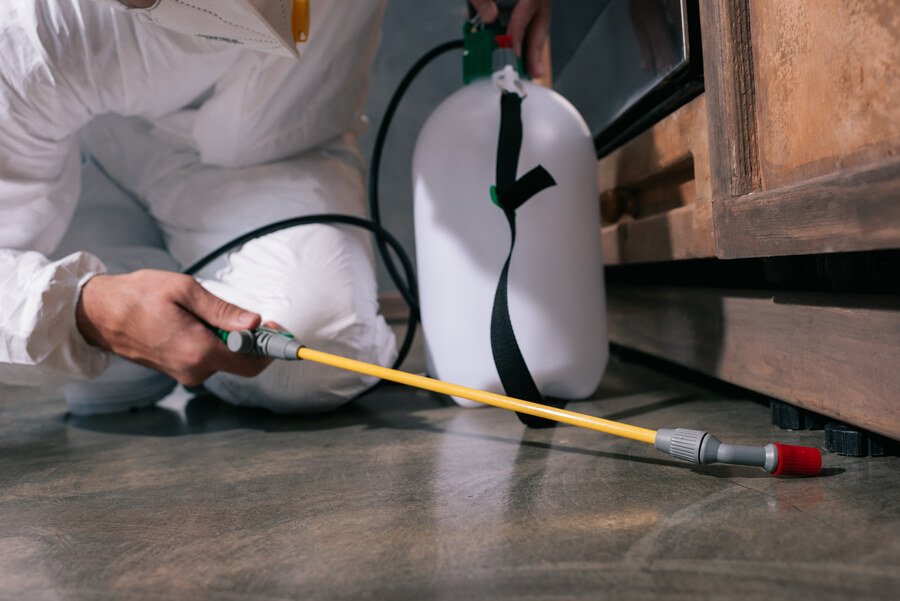
Understanding the cost factors and duration of termite tenting can help homeowners budget and plan for this essential pest control treatment. Several variables influence the overall cost and time required for fumigation, and being aware of these factors can provide a clearer picture of what to expect.
Cost Factors
The cost of termite tenting varies based on several factors, including the size of the home, the extent of the infestation, and the type of fumigant used. Larger homes require more fumigant and a longer tenting process, which can increase the cost. The severity of the infestation also plays a role, as more extensive damage may require additional treatment or repairs.
Another cost factor is the location of the home. Homes in areas with higher termite activity, such as Florida, may have higher treatment costs due to increased demand for pest control services. Additionally, the pest control company’s reputation and expertise can influence pricing. Established companies with a proven track record of successful fumigations may charge higher rates for their services.
Duration of Tenting
The duration of the termite tenting process typically ranges from 24 to 72 hours. The specific time required depends on the size of the home, the level of infestation, and the type of fumigant used. Smaller homes with mild infestations may only require a 24-hour fumigation, while larger homes or those with severe infestations may need up to 72 hours.
The fumigation process includes several stages: tenting the home, releasing the fumigant, maintaining the fumigant concentration, and aerating the home after the treatment. Each stage is carefully monitored by the pest control professionals to ensure the effectiveness of the treatment and the safety of the occupants.
Additional Costs
In addition to the primary fumigation cost, homeowners should budget for any additional expenses that may arise. These can include the cost of temporary relocation for the family and pets, repairing any structural damage caused by termites, and implementing preventive measures to protect against future infestations. Some pest control companies may offer package deals that include follow-up inspections and treatments, which can provide added value and peace of mind.
By understanding the cost factors and duration of termite tenting, homeowners can make informed decisions and plan accordingly. Investing in professional fumigation services is a crucial step in protecting your home from termite damage and ensuring a termite-free future.
Conclusion: Taking Action Against Termites for a Safer Home
Taking action against termites is essential for maintaining a safe and structurally sound home. Termite tenting, or fumigation, is one of the most effective methods for eradicating severe infestations and protecting your property from further damage. By understanding the process, recognizing the signs of an infestation, and properly preparing your home, you can ensure a successful treatment.
The importance of proper preparation cannot be overstated. Removing consumables, valuables, and sensitive items, as well as making arrangements for pets and family, are critical steps in ensuring the safety and effectiveness of the fumigation. Following the pest control company’s guidelines and taking necessary safety precautions will help safeguard your home and its occupants.
Post-tenting measures, such as regular inspections, moisture control, wood treatment, and barrier