

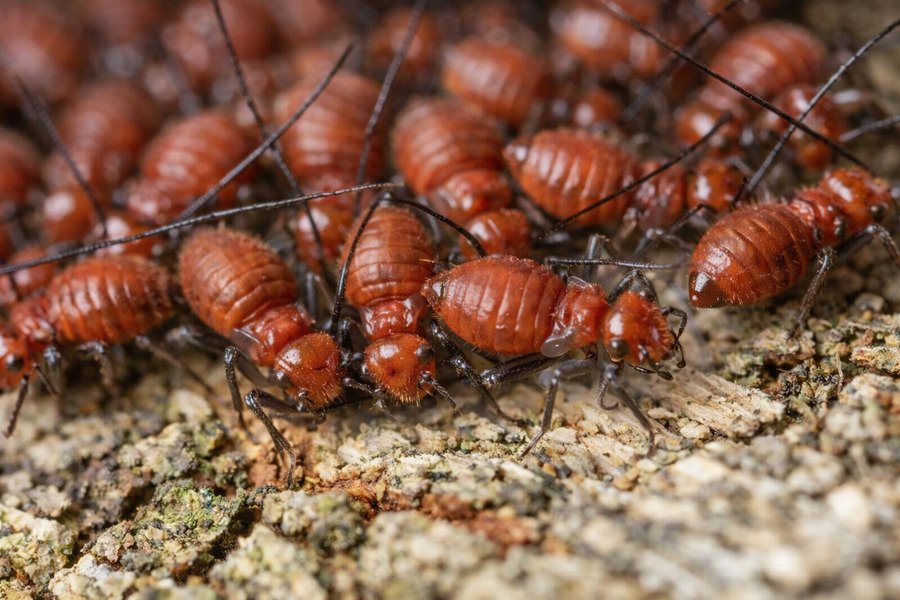
Understanding Subterranean Termites
Subterranean termites are among the most destructive pests homeowners can encounter. These tiny insects live in colonies underground and feed on cellulose, which is found in wood and other plant materials. Their ability to silently devour the wooden structures of homes makes them particularly dangerous. Colonies can range from a few thousand to millions of termites, making infestations both extensive and difficult to control. These termites are most commonly found in areas with warm, humid climates, but they can adapt to a variety of environments.
The lifecycle of subterranean termites is complex and involves several stages, from eggs to nymphs, and eventually to adult termites. Some adults become workers, responsible for foraging and building tunnels. Others become soldiers, protecting the colony, or reproductive alates, which are winged termites that leave the colony to start new ones. Understanding their lifecycle is crucial for effective termite treatment, as different stages may require different approaches to control.
Subterranean termites build intricate networks of underground tunnels that connect their colonies to food sources. They can enter homes through tiny cracks in the foundation, plumbing, or electrical conduits. Once inside, they remain hidden behind walls, floors, and ceilings, making them hard to detect until significant damage has occurred. This stealthy nature underscores the importance of regular inspections and early intervention.
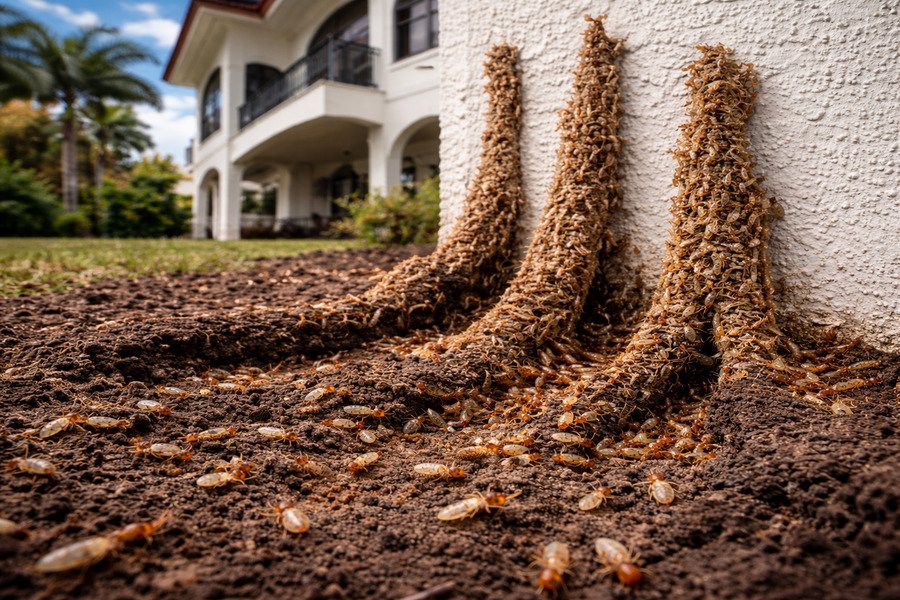
Signs of a Subterranean Termite Infestation
Detecting a subterranean termite infestation early can save homeowners from costly repairs. One of the most common signs is the presence of mud tubes on exterior walls, foundations, or in crawl spaces. These pencil-sized tunnels are used by termites to travel between their colony and food sources while protecting them from predators and dry air. If you break open a mud tube and find live termites inside, it’s a clear indication of an active infestation.
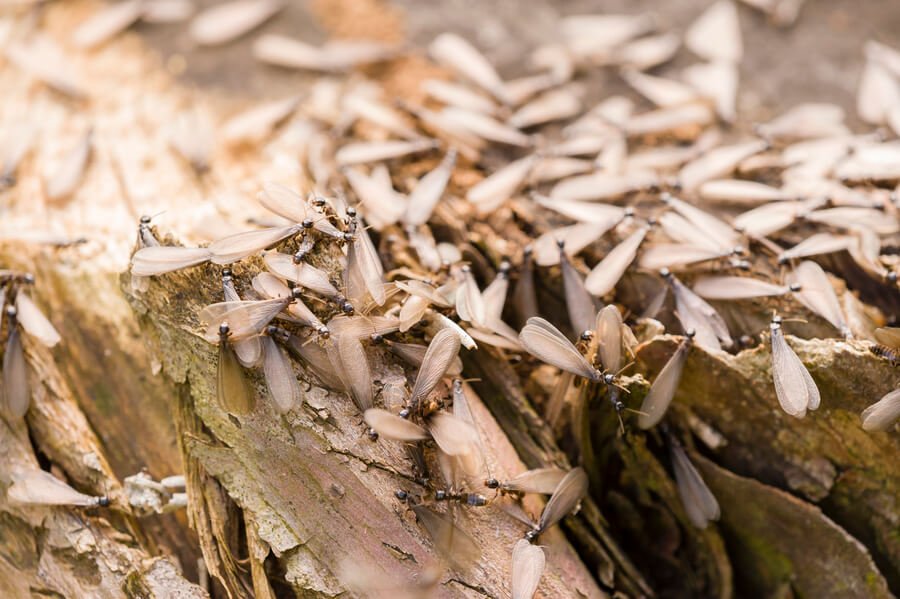
Another tell-tale sign of an infestation is the presence of discarded wings near windowsills, doors, or other entry points. Swarming termites, or alates, shed their wings after mating and before starting new colonies. Finding these wings indoors typically means that termites have entered your home and are establishing a new colony nearby. You might also notice droppings, known as frass, which resemble small piles of sawdust or coffee grounds, indicating termite activity in wooden structures.
Wood damage is perhaps the most alarming sign of a termite infestation. Termites eat wood from the inside out, leaving a thin veneer on the surface while hollowing out the interior. Tapping on an infested area may produce a hollow sound, and probing with a screwdriver can reveal extensive internal damage. Buckling wood, swollen floors, and noticeable cracks in walls or ceilings can also be indicative of severe termite damage. Regular inspections by a professional can help identify these signs early and prevent further destruction.
Risks of Ignoring Subterranean Termites
Ignoring a subterranean termite infestation can lead to severe and costly consequences. These pests can cause significant structural damage to your home, undermining the integrity of wooden beams, flooring, and other critical components. Over time, this can compromise the safety and stability of the entire structure, potentially leading to dangerous collapses and the need for extensive, expensive repairs.
In addition to structural damage, termites can also destroy personal property. Wooden furniture, books, and even important documents can become targets for these voracious pests. The financial loss from replacing or repairing these items can be substantial, not to mention the sentimental value of irreplaceable heirlooms and family records that may be lost forever. The emotional toll of dealing with a termite infestation can be considerable, causing stress and frustration for homeowners.
Moreover, the longer an infestation goes untreated, the more difficult it becomes to eliminate. Termite colonies can grow exponentially, spreading to new areas of the home and making control efforts more complex and costly. Delaying treatment can also lead to secondary issues, such as mold growth from moisture introduced by termite activity. This can further damage the home and pose health risks to its occupants. Therefore, prompt action is essential to mitigate the risks and protect both your property and well-being.
Professional Treatment Options for Subterranean Termites
Professional treatment options for subterranean termites are diverse and designed to effectively eradicate infestations while preventing future occurrences. One of the most common methods is the use of liquid termiticides, which are applied to the soil around the foundation of the home. These chemicals create a barrier that termites cannot cross, effectively cutting off their access to the structure. Some termiticides are designed to be non-repellent, meaning termites cannot detect them and unknowingly carry the poison back to their colony, ensuring a more thorough elimination.
Another popular professional treatment is the use of bait systems. This method involves placing bait stations around the perimeter of the home, which contain a slow-acting toxic substance that termites find attractive. Termites consume the bait and share it with their colony members, leading to the gradual decline and eventual collapse of the entire colony. Bait systems are particularly effective because they target the colony directly and can be monitored and replenished as needed.

Fumigation, also known as tenting, is a more intensive treatment option used for severe infestations. This process involves covering the entire structure with a tent and introducing a gas that permeates all areas of the home, killing termites on contact. While highly effective, fumigation requires homeowners to vacate the premises for several days and can be more costly than other methods. Professional pest control companies may also offer integrated pest management (IPM) strategies, combining multiple treatment methods and ongoing monitoring to ensure long-term protection against subterranean termites.
DIY Solutions for Subterranean Termite Control
For homeowners looking to tackle subterranean termites on their own, there are several DIY solutions available. One common approach is the use of termite baits, which can be purchased at home improvement stores. These baits work similarly to professional bait systems, attracting termites with a toxic substance that they carry back to their colony. DIY bait systems can be effective for smaller infestations or as a preventative measure, but they may require more frequent monitoring and replacement than professional systems.
Another DIY method is the application of liquid termiticides to the soil around the foundation of the home. Products like termiticidal sprays and foams can be applied to areas where termites are suspected to enter, creating a chemical barrier that deters them from crossing. It’s important to follow the manufacturer’s instructions carefully and ensure thorough coverage for maximum effectiveness. Additionally, homeowners can use borate treatments on wooden structures to make the wood toxic to termites, preventing them from feeding on it.
Physical barriers and preventative measures can also be employed to reduce the risk of termite infestations. These include installing mesh screens over ventilation openings, sealing cracks and crevices in the foundation, and ensuring that wooden structures do not come into direct contact with soil. Regularly inspecting and maintaining the home can help identify and address potential entry points before termites have a chance to establish a colony. While DIY solutions can be cost-effective and convenient, they may not always provide the same level of protection as professional treatments.
Comparing Effectiveness: Professional vs DIY Treatments
When comparing the effectiveness of professional versus DIY treatments for subterranean termites, several factors must be considered. Professional treatments, such as liquid termiticides, bait systems, and fumigation, are typically more potent and comprehensive than DIY options. Licensed pest control operators have access to specialized products and equipment that are not available to the general public, allowing them to apply treatments more effectively and thoroughly. Additionally, professionals are trained to identify and target specific areas of infestation, ensuring that the entire colony is eradicated.
DIY treatments, on the other hand, can be effective for minor infestations or as a preventative measure. Homeowners can apply baits, sprays, and foams to areas where termite activity is suspected, but these methods may require more frequent monitoring and reapplication. DIY solutions also rely heavily on the homeowner’s ability to correctly identify and treat the infestation, which can be challenging without professional expertise. While DIY treatments can provide temporary relief, they may not offer the same long-term protection as professional options.
Ultimately, the effectiveness of termite control depends on the severity of the infestation and the thoroughness of the treatment. In cases of severe or widespread infestations, professional treatments are generally more reliable and efficient. For smaller, localized infestations or as a preventative measure, DIY solutions can be a viable option. Homeowners should weigh the pros and cons of each approach and consider consulting with a professional exterminator to determine the best course of action for their specific situation.
Cost Analysis: Professional Treatments vs DIY Solutions
Cost is a significant factor when deciding between professional treatments and DIY solutions for subterranean termites. Professional treatments can be more expensive upfront, with costs varying depending on the method used and the extent of the infestation. Liquid termiticides and bait systems typically range from $500 to $2,500, while fumigation can cost upwards of $2,000 to $8,000. These costs include the labor and expertise of the pest control operator, as well as ongoing monitoring and maintenance to ensure long-term protection.
DIY solutions, on the other hand, tend to be more affordable, with termite baits and liquid termiticides available for purchase at home improvement stores for $20 to $100 per product. While these products can provide cost-effective control for minor infestations, homeowners may need to purchase multiple treatments and invest time in monitoring and reapplication. Additionally, DIY treatments may not address the root cause of the infestation, potentially leading to recurring problems and higher costs in the long run.
When considering the cost of termite control, it’s essential to factor in the potential expenses of ignoring the problem. Structural damage caused by untreated termite infestations can result in repair costs that far exceed the price of professional treatments. Investing in effective termite control upfront can save homeowners from more significant financial burdens down the line. Ultimately, the decision should be based on the severity of the infestation, the homeowner’s budget, and the level of expertise required to address the problem effectively.

Preventative Measures to Avoid Future Infestations
Preventing future infestations of subterranean termites is crucial for protecting your home and maintaining its structural integrity. One of the most effective preventative measures is to reduce moisture levels around the home, as termites are attracted to damp environments. Ensure that gutters and downspouts are functioning correctly and direct water away from the foundation. Fix any leaks in plumbing, roofs, or walls promptly, and use dehumidifiers in basements and crawl spaces to keep humidity levels low.
Another key preventative measure is to eliminate wood-to-soil contact, which provides termites with easy access to their food source. Use concrete or metal supports for wooden structures like decks, fences, and sheds, and ensure that any wooden elements are at least six inches above the soil. Regularly inspect and maintain wooden components of your home, such as window sills, door frames, and siding, to identify and address any signs of termite activity early.
Sealing entry points is also essential for preventing termites from entering your home. Check for and seal any cracks or gaps in the foundation, walls, and around utility lines. Install mesh screens over ventilation openings and use weatherstripping on doors and windows to create a barrier against termite entry. Additionally, consider using termite-resistant building materials, such as treated wood or metal, for new construction or renovations. Regular inspections by a professional exterminator can help identify potential vulnerabilities and ensure that preventative measures are effective.
When to Call a Professional Exterminator
Knowing when to call a professional exterminator is crucial for effectively managing a subterranean termite infestation. If you notice any signs of termite activity, such as mud tubes, discarded wings, frass, or wood damage, it’s essential to seek professional help promptly. Termite infestations can escalate quickly, and early intervention by a trained expert can prevent further damage and costly repairs. Professional exterminators have the experience and tools necessary to accurately assess the extent of the infestation and recommend the most appropriate treatment.
Another indication that it’s time to call a professional is if DIY treatments have proven ineffective. If you have attempted to control the infestation on your own but continue to see signs of termite activity, it’s likely that the problem is more extensive than initially thought. A professional exterminator can conduct a thorough inspection, identify the source of the infestation, and implement a comprehensive treatment plan to eradicate the termites and prevent future occurrences.
In cases of severe or widespread infestations, professional intervention is essential. Large termite colonies can cause significant structural damage, jeopardizing the safety and stability of your home. Professional treatments, such as fumigation, may be necessary to ensure complete eradication of the colony. Additionally, if you are selling your home or purchasing a new one, a professional termite inspection is often required to ensure the property is free of infestations. Consulting with a professional exterminator can provide peace of mind and protect your investment.
Conclusion: Making the Right Choice for Your Home
Deciding between professional treatments and DIY solutions for subterranean termites depends on various factors, including the severity of the infestation, budget, and personal preferences. Understanding subterranean termites, recognizing the signs of an infestation, and being aware of the risks of ignoring the problem are crucial steps in making an informed decision. Both professional treatments and DIY solutions have their advantages and limitations, and homeowners must weigh these carefully.
Professional treatments offer potent, comprehensive solutions with the expertise of trained exterminators, making them ideal for severe or widespread infestations. While they may come with higher upfront costs, they provide long-term protection and peace of mind. DIY solutions, on the other hand, can be cost-effective and convenient for minor infestations or preventative measures. However, they may require more frequent monitoring and reapplication and may not always address the root cause of the problem.
Preventative measures are essential for avoiding future infestations, and regular inspections by a professional can help identify potential vulnerabilities. Ultimately, the right choice for your home will depend on your specific situation and needs. By staying vigilant and proactive, you can protect your home from the destructive effects of subterranean termites and ensure its safety and stability for years to come.