


Understanding Subterranean Termites
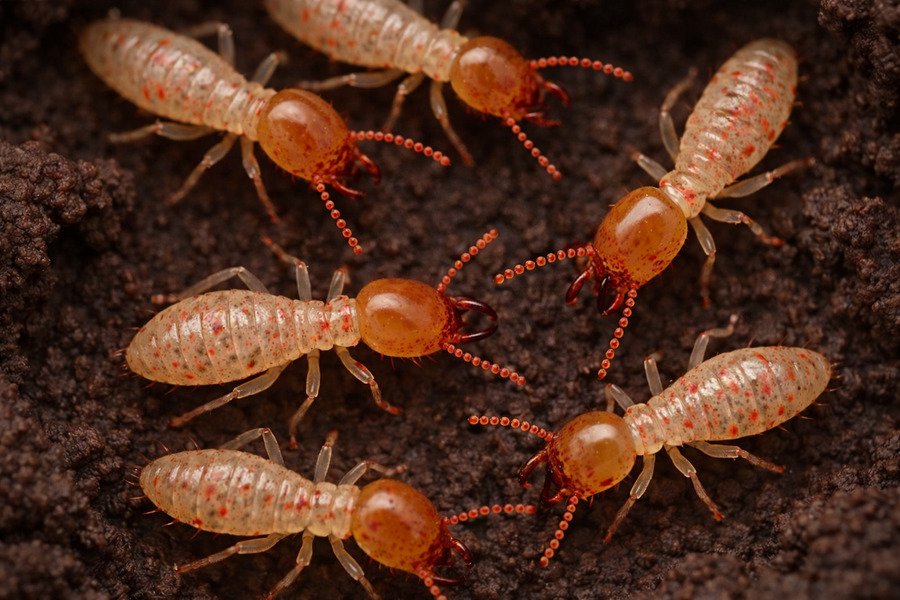
Subterranean termites are some of the most destructive pests that can infest a property. These insects live in colonies and can cause extensive damage to wooden structures, often going unnoticed until significant harm has been done. Unlike other termite species, subterranean termites require moisture to survive, which compels them to build elaborate mud tubes to travel from their nest to a food source. These mud tubes protect them from predators and dehydration, making them incredibly resilient and difficult to eradicate without targeted treatment.
Understanding the behavior and biology of subterranean termites is crucial for effective management and prevention. They thrive in environments where wood is in contact with soil, making the foundation of buildings and homes particularly vulnerable. Their colonies can number in the millions, and they work around the clock, chewing through wood, wallpaper, and even flooring. Identifying an infestation early can save homeowners and commercial property owners thousands of dollars in repair and treatment costs.
The signs of a subterranean termite infestation can be subtle. Homeowners might notice discarded wings near windowsills, hollow-sounding wood, or mud tubes along the foundation or walls. Commercial properties might face even greater risks due to their larger structures and more extensive use of wood in construction. Regular inspections and a keen eye for these signs can help in early detection, making treatment more manageable and less costly.
The Importance of Termite Treatment
The importance of termite treatment cannot be overstated. Termites cause billions of dollars in damage annually, and a significant portion of this is attributed to subterranean termites. Once they infest a property, they can compromise the structural integrity, leading to dangerous and costly repairs. Ignoring the problem or delaying treatment can result in further damage, escalating the expenses and potentially making the property unsafe for habitation or use.
For homeowners, the emotional and financial toll can be overwhelming. The damage caused by termites is often not covered by standard homeowner’s insurance policies, leaving the property owner to bear the full cost of repairs and treatment. This financial burden can be particularly heavy for those already stretched thin by mortgage payments and other household expenses. Proactive measures, including regular inspections and prompt treatment, can mitigate these risks and protect the investment in the property.
Commercial property owners face additional challenges. The presence of termites can disrupt business operations, lead to temporary closures, and damage the reputation of the establishment. For businesses that rely on the structural integrity of their premises, such as warehouses, hotels, and restaurants, the stakes are even higher. Termite damage can result in lost revenue, costly repairs, and potential legal liabilities if the safety of employees or customers is compromised. Therefore, investing in effective termite treatment is critical for maintaining the value and functionality of commercial properties.
Factors Influencing Treatment Costs
Several factors influence the cost of subterranean termite treatment, making it essential to understand what drives these expenses. One of the primary determinants is the extent of the infestation. A minor infestation localized to a small area will generally be less costly to treat than a widespread infestation affecting multiple areas of a property. The longer an infestation goes untreated, the more extensive the damage and the higher the treatment costs.
The size of the property is another critical factor. Larger properties require more resources, time, and labor to inspect and treat. This is particularly true for commercial properties, which often have complex structures and extensive areas that need to be addressed. The layout and construction of the property can also impact costs. Buildings with hard-to-reach areas, such as basements, crawl spaces, and hidden voids, may require more intensive and specialized treatment methods.
The type of treatment method chosen also plays a significant role in determining costs. Chemical treatments, bait systems, and physical barriers each come with different price points and efficacy levels. The choice of treatment will depend on the severity of the infestation, the property owner’s preferences, and recommendations from pest control professionals. Additionally, the geographical location of the property can influence costs, as labor rates, material costs, and regulatory requirements vary by region.
Home Treatment Costs vs. Commercial Treatment Costs
The cost of treating termites in residential properties differs significantly from commercial properties due to several factors. Homes generally have less square footage and simpler structural layouts, which can make inspections and treatments more straightforward and less costly. On average, homeowners can expect to pay anywhere from a few hundred to a couple of thousand dollars, depending on the severity of the infestation and the chosen treatment method.
Commercial properties, on the other hand, present a more complex scenario. These buildings are often larger, with more intricate designs and multiple stories, which can complicate the treatment process. The presence of business operations means that treatment needs to be scheduled to minimize disruption, potentially increasing labor costs due to after-hours work or phased treatments. Additionally, commercial properties may require more extensive preventative measures to safeguard against future infestations, adding to the overall expense.
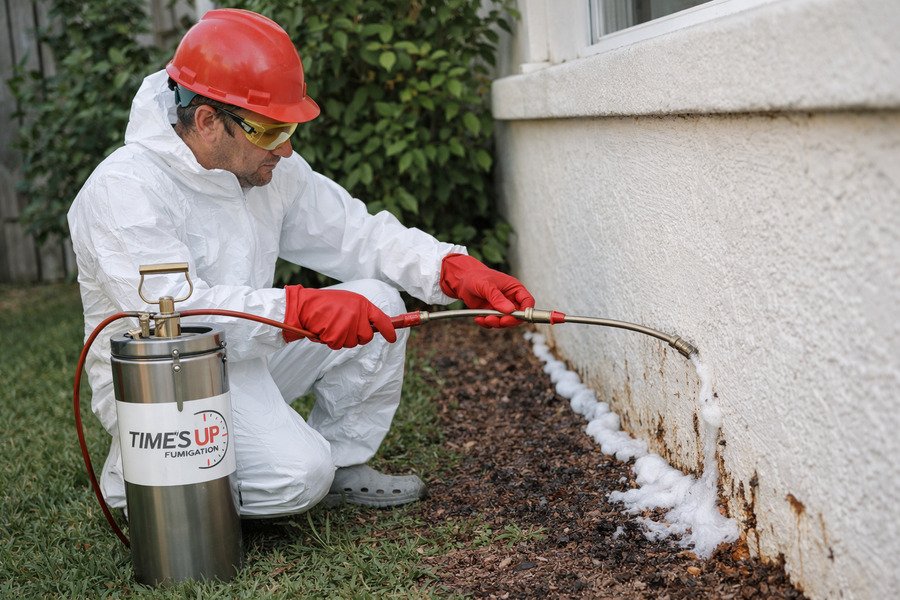
It’s also worth noting that commercial properties might face stricter regulatory requirements for pest control, especially in industries such as food service, healthcare, and hospitality. Compliance with these regulations can drive up the costs of treatment, as specialized techniques and documentation are required. Ultimately, while the fundamental goal of eradicating termites remains the same, the scale and complexity of commercial properties lead to higher treatment costs compared to residential homes.
Types of Treatment Methods Available
Several treatment methods are available for tackling subterranean termite infestations, each with its advantages and limitations. Chemical treatments are among the most common and involve applying termiticides to the soil around and beneath the property. These chemicals create a barrier that termites cannot cross, effectively isolating the colony and preventing further damage. Liquid termiticides can provide long-lasting protection, but they require professional application to ensure effectiveness and safety.
Bait systems offer an alternative approach, targeting the termite colony directly. These systems involve placing bait stations around the property, which contain substances that are toxic to termites but slow-acting. Termites consume the bait and carry it back to the colony, spreading the toxin and eventually leading to the collapse of the entire colony. Bait systems can be less intrusive than chemical treatments and are particularly useful for properties where liquid termiticides are not practical.
Physical barriers are another form of termite treatment, often used in new construction. These barriers are installed during the building process and involve materials such as stainless steel mesh or sand that termites cannot penetrate. While effective in preventing infestations, physical barriers are not a viable option for existing structures. Each treatment method has its cost implications, and the choice will depend on the specific circumstances of the infestation and the property owner’s preferences.
DIY vs. Professional Treatment: Cost Comparison
When facing a termite infestation, property owners might consider whether to handle the problem themselves or hire a professional exterminator. DIY termite treatment can seem appealing due to lower upfront costs. Various products, such as termiticides and bait stations, are available for purchase at hardware stores, and many homeowners feel confident in their ability to apply these treatments. However, DIY methods come with significant risks and limitations.
One of the primary challenges of DIY termite treatment is ensuring thorough and effective application. Subterranean termites are experts at avoiding detection, and their colonies can be extensive and deeply embedded within the structure of a building. Without professional knowledge and equipment, it is easy to miss critical areas, allowing the infestation to persist and worsen. Additionally, improper handling of termiticides can pose health risks to the occupants of the property.
Professional termite treatment, while more expensive, offers several advantages that can justify the higher cost. Pest control experts have the training, experience, and tools to accurately assess the extent of an infestation and apply treatments effectively. They can also provide ongoing monitoring and maintenance to ensure that the termites do not return. While the initial expense is higher, professional treatment can save money in the long run by preventing further damage and reducing the likelihood of future infestations.
Long-Term Cost Implications of Termite Infestations
The long-term cost implications of a termite infestation extend far beyond the immediate expenses of treatment and repair. If an infestation is not addressed promptly, the damage to the property can become extensive, compromising its structural integrity. This can lead to costly repairs, such as replacing damaged wood, flooring, and even entire sections of the building. In severe cases, the damage may be so extensive that rebuilding is necessary, which can be prohibitively expensive.
Beyond the direct costs of repair, termite infestations can also affect the value of a property. Prospective buyers are likely to be wary of purchasing a home or commercial building with a history of termite problems, even if the infestation has been treated. This can result in lower property values and a more challenging sales process. For commercial properties, the reputation damage can be significant, as customers and clients may lose confidence in the safety and integrity of the establishment.
Furthermore, the presence of termites can lead to increased insurance premiums. While standard homeowner’s insurance policies typically do not cover termite damage, some companies may offer specialized coverage. However, properties with a history of termite problems may be considered higher risk, leading to higher premiums or even denial of coverage. The best way to mitigate these long-term costs is through proactive measures, including regular inspections, prompt treatment of any infestations, and ongoing maintenance.
Insurance and Termite Treatment: What You Need to Know
Understanding the relationship between insurance and termite treatment is crucial for property owners. Most standard homeowner’s insurance policies do not cover termite damage, as it is considered a preventable issue resulting from lack of maintenance. This means that property owners are often left to cover the costs of treatment and repair out of pocket. However, some insurance companies offer specialized policies or endorsements that provide coverage for termite damage, though these can be expensive and may come with specific conditions.
For commercial properties, the situation can be more complex. Business insurance policies vary widely, and coverage for termite damage is not always included. Property owners must carefully review their policies and consider purchasing additional coverage if necessary. Some policies may offer limited coverage for termite damage if it can be proven that the infestation occurred suddenly and was not the result of long-term neglect. However, such claims can be challenging to substantiate.
To navigate the complexities of insurance and termite treatment, property owners should work closely with their insurance agents. It is essential to understand the limitations of existing policies and explore options for additional coverage if needed. Investing in preventative measures, such as regular inspections and treatments, can also demonstrate to insurance companies that the property is being properly maintained, potentially leading to more favorable terms and lower premiums.
Preventative Measures to Reduce Treatment Costs
Prevention is the best strategy for reducing the costs associated with termite treatment. By taking proactive measures, property owners can minimize the risk of infestations and avoid the high expenses of treatment and repair. One of the most effective preventative measures is regular inspections by a professional pest control service. These inspections can identify early signs of termite activity before it becomes a significant problem, allowing for prompt and less costly treatment.
Maintaining the property in a way that discourages termite activity is also crucial. This includes reducing moisture levels around the foundation by ensuring proper drainage and fixing leaks promptly. Removing wood-to-soil contact, such as wooden siding or landscaping timbers, can also deter termites from accessing the property. Additionally, storing firewood and other wooden materials away from the building and keeping the area around the foundation clear of debris can further reduce the risk of infestation.
Using termite-resistant materials during construction or renovation is another effective preventative measure. Treated wood, metal, and concrete are less susceptible to termite damage and can provide long-term protection for the structure. Property owners should also consider installing physical barriers or bait systems as part of their ongoing maintenance plan. By investing in these preventative measures, property owners can protect their investment and avoid the high costs associated with termite treatment.
Conclusion: Making an Informed Decision on Treatment Options
Making an informed decision on termite treatment options requires a thorough understanding of the various factors involved. Subterranean termites pose a significant threat to both residential and commercial properties, and addressing an infestation promptly is crucial to preventing extensive damage and high repair costs. Property owners must consider the extent of the infestation, the size and layout of the property, and the type of treatment method that will be most effective for their specific situation.
While DIY treatment options may offer lower upfront costs, the risks and limitations often outweigh the potential savings. Professional treatment provides the expertise, tools, and ongoing maintenance needed to ensure the infestation is fully eradicated and to prevent future problems. Understanding the long-term cost implications of termite infestations and the relationship between insurance and termite treatment is also essential for making a well-informed decision.
Ultimately, investing in preventative measures is the most effective way to protect a property from termite damage. Regular inspections, proper maintenance, and the use of termite-resistant materials can significantly reduce the risk of infestation and the associated costs. By taking a proactive approach and working with reputable pest control professionals, property owners can safeguard their investment and ensure the long-term integrity and value of their property.