
Understanding Ants and Termites: Key Differences
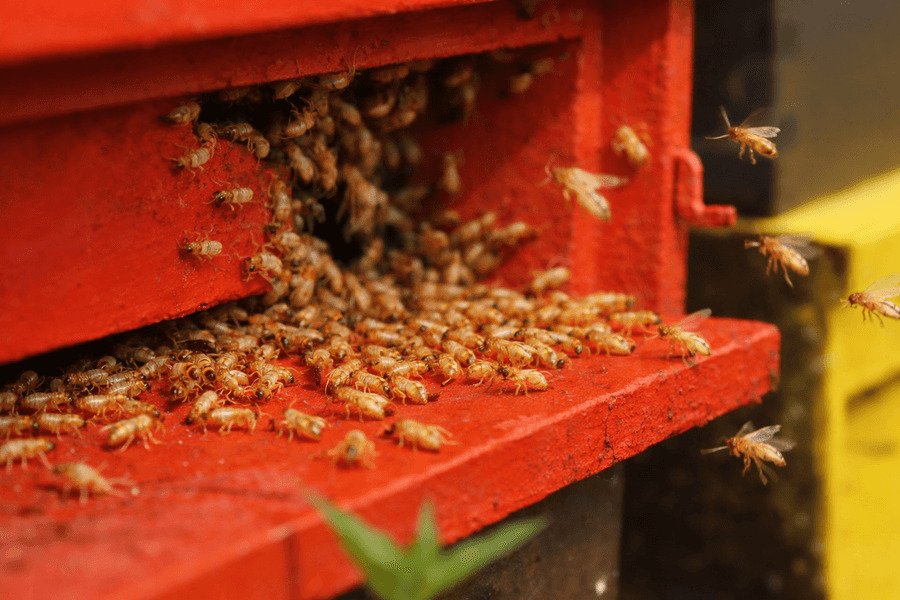
Ants and termites, while both common household pests, are vastly different creatures with unique behaviors, appearances, and impacts on your home. To effectively manage and control these pests, it’s crucial to understand their distinguishing characteristics. Firstly, ants are part of the Formicidae family, and they are social insects that typically have a segmented body with a narrow waist, elbowed antennae, and a recognizable body structure divided into three parts: the head, thorax, and abdomen. Termites, on the other hand, belong to the Isoptera order and are often mistaken for ants due to their similar size and social structure, but they have a broad waist, straight antennae, and a more uniform body structure.
The dietary preferences of ants and termites also set them apart. Ants are omnivores and have a diverse diet that includes sugars, proteins, and fats. They are often attracted to sweet or greasy food sources in homes. Termites, in contrast, primarily feed on cellulose, a substance found in wood, paper, and other plant materials. This diet makes termites particularly destructive to wooden structures, as they can compromise the integrity of buildings by consuming the wood from the inside out.
Behaviorally, ants and termites differ in their nesting and colony structures. Ants typically build their nests in soil, wood, or within the walls of buildings, and they can form multiple colonies within a single structure. They often have a visible trail leading to their food source. Termites, however, create subterranean or wood-based nests that are hidden from view. Subterranean termites build extensive tunnel systems underground to access their food sources, while drywood termites live entirely within the wood they consume. These behavioral differences necessitate distinct approaches to pest control for each type of insect.

Common Types of Ants and Termites Found in Homes
Understanding the specific species of ants and termites that commonly invade homes can help in identifying and effectively managing these pests. Several species of ants are prevalent in residential areas, each with unique behaviors and preferences. Carpenter ants, for example, are one of the most destructive ant species as they excavate wood to create their nests, which can weaken wooden structures over time. These ants are typically large, black, or red and black, and are often found in moist, decaying wood.
Another common ant species is the odorous house ant, named for the unpleasant smell it emits when crushed. These ants are small, dark brown or black, and are attracted to sugary foods. They often nest in wall voids, under floors, and in other hidden areas within homes. Pavement ants are also frequently encountered; they are small, brown or black, and typically nest in cracks in pavement, foundations, or under stones. Their diet includes a variety of foods, making them common kitchen invaders.
Termites can be categorized into three primary types: subterranean, drywood, and dampwood termites. Subterranean termites are the most widespread and destructive, building large colonies underground and creating mud tubes to access above-ground food sources. They are typically light brown or cream-colored and require a constant moisture source to survive. Drywood termites, in contrast, do not require contact with soil and can infest dry wood, including furniture and framing within homes. They are usually light brown and create small, smooth galleries in wood. Dampwood termites prefer moist wood and are less likely to infest homes unless there is a significant moisture problem. These termites are larger and darker than other species and are often found in decaying logs and stumps.
Signs of an Ant or Termite Infestation
Identifying the signs of an ant or termite infestation early can help prevent extensive damage and ensure timely control measures. For ants, one of the most obvious signs is the presence of ant trails, which are formed by worker ants as they travel to and from their nest to a food source. These trails can often be seen along walls, floors, and countertops. Additionally, discovering small piles of dirt or debris, known as ant frass, near entry points or nesting sites can indicate an infestation. Noises within walls or structures, such as rustling or tapping, may also be a sign of a large ant colony.
Termite infestations can be more challenging to detect, especially in the early stages, as these pests often remain hidden within wood or underground. One of the most common signs of a termite problem is the presence of mud tubes on or near the foundation of a building. These tubes are used by subterranean termites to travel between their nest and food source, providing protection and moisture. Additionally, discovering discarded wings near windowsills or doorways can indicate a termite swarm, as reproductive termites shed their wings after mating.
Other signs of a termite infestation include wood that sounds hollow when tapped, as termites consume the wood from the inside out, leaving a thin outer layer. Small piles of sawdust-like material, known as frass, near wooden structures or furniture can also be a sign of drywood termite activity. Finally, the appearance of blistering or darkening wood, or the presence of small holes in wood surfaces, can indicate an active termite infestation.
DIY Pest Control Methods for Ants
When dealing with an ant infestation, there are several do-it-yourself (DIY) methods that can be effective in managing and reducing their numbers. One of the first steps in DIY ant control is to identify and eliminate the food sources that attract them. This involves keeping kitchens and dining areas clean, storing food in airtight containers, and promptly cleaning up spills and crumbs. Additionally, sealing cracks and crevices around windows, doors, and foundations can help prevent ants from entering the home.
Natural repellents and deterrents can also be useful in DIY ant control. For example, creating a barrier with substances that ants find unpleasant, such as vinegar, lemon juice, or essential oils like peppermint or tea tree oil, can help deter them from entering certain areas. These substances can be applied along ant trails, entry points, and around the perimeter of the home. Another effective method is to use diatomaceous earth, a natural powder that dehydrates and kills ants upon contact, which can be sprinkled in areas where ants are active.

Baiting is another common DIY method for controlling ants. Ant baits, which are available in gel, liquid, or solid forms, contain a slow-acting poison mixed with an attractive food source. When worker ants collect the bait and bring it back to the nest, the poison is distributed throughout the colony, eventually killing the queen and other ants. It’s important to place baits in areas where ants are frequently seen, but out of reach of children and pets. Patience is key with baiting, as it can take several days to weeks to see a significant reduction in ant activity.
DIY Pest Control Methods for Termites
DIY termite control can be more challenging than dealing with ants due to the hidden and destructive nature of these pests. However, there are several methods that homeowners can use to manage and prevent termite infestations. One of the first steps in DIY termite control is to reduce moisture levels around the home, as termites are attracted to damp environments. This can be achieved by repairing leaks, ensuring proper drainage, and maintaining gutters and downspouts. Additionally, removing wood-to-soil contact, such as wooden posts or mulch near the foundation, can help reduce the risk of termites entering the home.
Another effective DIY method for termite control is the use of termite baits. Similar to ant baits, termite baits contain a slow-acting poison that termites carry back to their colony, eventually killing the queen and other members. These baits are placed in the ground around the perimeter of the home and should be checked regularly to ensure they remain effective. It’s important to follow the manufacturer’s instructions when using termite baits to achieve the best results.
For homeowners who prefer natural methods, there are several options available for DIY termite control. One popular method is the use of beneficial nematodes, which are microscopic worms that feed on termites and other soil-dwelling pests. These nematodes can be purchased online or at garden centers and applied to the soil around the home. Another natural option is the use of orange oil, which contains a compound called d-limonene that is toxic to termites. Orange oil can be injected into termite-infested wood to kill termites on contact.
When to Use Chemical Treatments for Ants and Termites
While DIY methods can be effective for managing minor infestations, there are times when chemical treatments may be necessary to achieve complete control of ants and termites. Chemical treatments are often used as a last resort when other methods have failed or when dealing with large, persistent infestations. It’s important to use these treatments responsibly and according to the manufacturer’s instructions to ensure safety and effectiveness.
For ants, chemical treatments can include the use of residual insecticides, which are applied to surfaces where ants are active, creating a barrier that kills ants on contact. These insecticides can be sprayed around the perimeter of the home, along ant trails, and in cracks and crevices where ants may enter. In addition to residual sprays, ant baits containing chemical poisons can also be used to target the entire colony. These baits should be placed in areas where ants are frequently seen, but out of reach of children and pets.
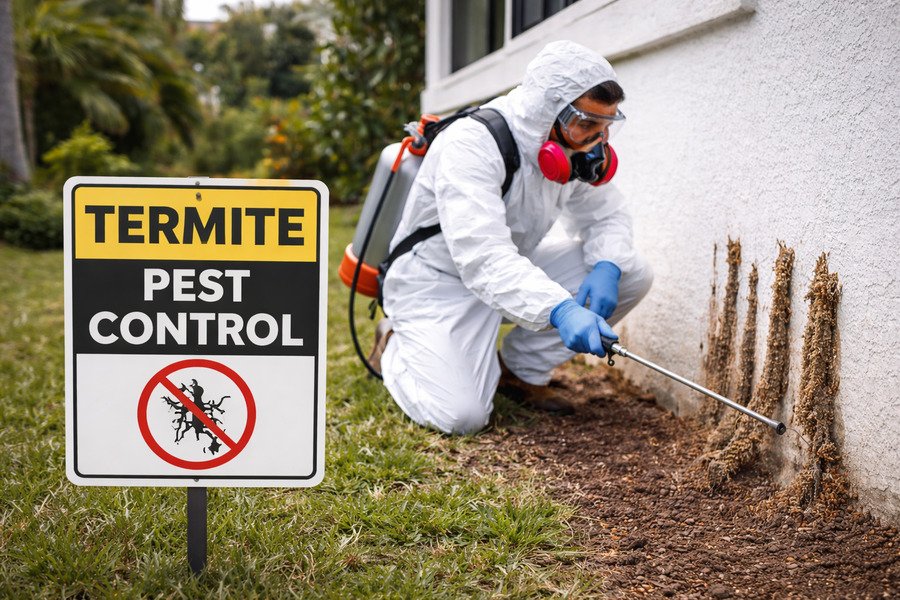
Termite chemical treatments are typically more extensive and may require professional application. One common method is the use of liquid termiticides, which are applied to the soil around the foundation of the home to create a barrier that prevents termites from entering. These termiticides can be either repellent or non-repellent; repellent termiticides deter termites from entering the treated area, while non-repellent termiticides are undetectable to termites and are carried back to the colony, eventually killing the entire population.
Another chemical treatment option for termites is the use of termite baits containing slow-acting poisons. These baits are placed in the ground around the home and are designed to attract termites, which then carry the poison back to the colony. Over time, the poison spreads throughout the colony, killing the queen and other members. It’s important to monitor and replace termite baits regularly to ensure their effectiveness.
The Role of Professional Pest Control Services
While DIY methods and chemical treatments can be effective for managing minor infestations, there are times when professional pest control services are necessary to address severe or persistent pest problems. Professional pest control companies have the knowledge, experience, and tools to effectively identify, treat, and prevent ant and termite infestations, ensuring the safety and integrity of your home.
One of the primary benefits of hiring a professional pest control service is their ability to accurately identify the type of pest and the extent of the infestation. This is particularly important for termites, as their activity is often hidden and difficult to detect. Professionals can conduct thorough inspections, using specialized tools and techniques to identify signs of infestation and determine the best course of action.
In addition to accurate identification, professional pest control services offer a range of treatment options that are often more effective than DIY methods. These treatments may include advanced chemical applications, such as termiticides and insecticides, as well as integrated pest management (IPM) strategies that combine multiple methods to achieve long-term control. Professionals can also provide ongoing monitoring and maintenance to ensure that the infestation is fully eradicated and to prevent future problems.
How to Choose the Right Pest Control Company
Choosing the right pest control company is essential for effectively managing ant and termite infestations and ensuring the safety of your home. There are several factors to consider when selecting a pest control service, including their experience, reputation, and the range of services they offer. Taking the time to research and compare different companies can help you make an informed decision and achieve the best results.
One of the first things to consider when choosing a pest control company is their experience and expertise in dealing with ant and termite infestations. Look for companies that have been in business for several years and have a proven track record of successfully managing these pests. It’s also important to check for licensing and certifications, as these indicate that the company meets industry standards and has the necessary training and knowledge to handle pest control safely and effectively.
Reputation is another important factor to consider when choosing a pest control company. Reading online reviews and asking for recommendations from friends, family, or neighbors can provide valuable insights into the company’s reliability, professionalism, and customer service. Look for companies with positive reviews and a history of satisfied customers.
Finally, consider the range of services offered by the pest control company. Some companies specialize in specific types of pests, while others offer comprehensive pest management services that address a variety of issues. Look for companies that offer a range of treatment options, including chemical and non-chemical methods, and that provide ongoing monitoring and maintenance to ensure long-term control. Additionally, inquire about warranties and guarantees, as these can provide peace of mind and protection in case the infestation recurs.
Preventive Measures to Avoid Future Infestations
Preventing future infestations of ants and termites is essential for maintaining a pest-free home and protecting your property from damage. There are several preventive measures that homeowners can take to reduce the risk of infestations and create an environment that is less attractive to these pests.
One of the most effective preventive measures is to eliminate food and water sources that attract ants and termites. Keep kitchens and dining areas clean, store food in airtight containers, and promptly clean up spills and crumbs. Repair any leaks and ensure proper drainage to reduce moisture levels around the home. Additionally, remove any wood-to-soil contact, such as wooden posts or mulch near the foundation, to reduce the risk of termites entering the home.
Sealing entry points is another important preventive measure. Inspect the exterior of your home for cracks, gaps, and crevices, and seal them with caulk or weatherstripping to prevent ants and termites from entering. Pay special attention to areas around windows, doors, and foundations. Additionally, install door sweeps and repair damaged screens to further reduce entry points.
Regular inspections and maintenance are also crucial for preventing future infestations. Conduct regular inspections of your home, paying particular attention to areas that are prone to moisture and wood damage. Look for signs of ant or termite activity, such as trails, mud tubes, or frass, and take prompt action if you notice any signs of infestation. Additionally, consider scheduling annual professional inspections to ensure that any potential issues are identified and addressed before they become major problems.
Conclusion: Taking Action Against Ants and Termites
Dealing with ants and termites can be a challenging and frustrating experience for homeowners, but with the right knowledge and approach, it is possible to effectively manage and prevent infestations. Understanding the key differences between ants and termites, as well as the common types found in homes, is the first step in identifying and addressing these pests. Being aware of the signs of infestation can help you take prompt action and prevent further damage.
DIY pest control methods, including natural repellents, baits, and preventive measures, can be effective for managing minor infestations. However, for severe or persistent problems, chemical treatments and professional pest control services may be necessary. When choosing a pest control company, consider their experience, reputation, and range of services to ensure that you receive the best possible care.

Finally, implementing preventive measures, such as eliminating food and water sources, sealing entry points, and conducting regular inspections, can help reduce the risk of future infestations and protect your home from damage. By taking proactive steps and seeking professional help when needed, you can maintain a pest-free home and ensure the safety and integrity of your property.