

Understanding Termite Treatments
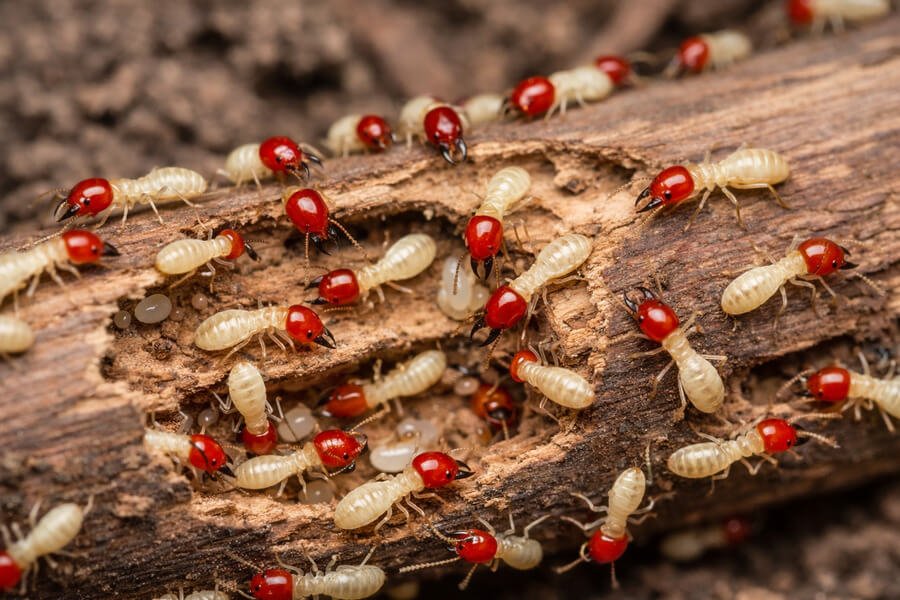
Termites, often referred to as “silent destroyers,” can cause significant damage to a structure before their presence is even detected. Understanding termite treatments is crucial in preventing and controlling these pests. Termite treatments are designed to either create a barrier to keep termites out or to eliminate colonies that have already infiltrated a building. The process involves various methods and chemicals, specifically tailored to target termites effectively.
The first step in termite treatment is a thorough inspection to identify the type and extent of the infestation. This inspection helps in choosing the appropriate treatment method. Treatments can be broadly classified into two categories: chemical treatments and non-chemical treatments. Chemical treatments often involve the application of termiticides, while non-chemical methods may include physical barriers, biological control, or electronic methods.
Given the variety of termite species and their different behaviors, the chosen treatment must be customized to ensure its efficacy. The methods used can vary greatly in terms of application technique, the chemicals involved, and the duration of their effectiveness. Understanding these aspects is essential for homeowners to make informed decisions about protecting their investment from termite damage.
Types of Termite Treatments Available
When it comes to termite treatments, homeowners have several options to choose from. The two primary categories are chemical and non-chemical treatments, each with its own set of advantages and limitations. Chemical treatments, which are the most commonly used, involve the application of liquid termiticides to the soil around the foundation of a structure. This creates a barrier that prevents termites from entering the building. Some of the popular termiticides include fipronil, imidacloprid, and chlorantraniliprole.
Another chemical treatment option is the use of termite bait systems. These systems involve placing bait stations around the perimeter of the property, which contain a slow-acting poison. Termites are attracted to the bait, consume it, and then carry it back to their colony, effectively spreading the poison and eliminating the colony over time. Bait systems are especially useful in situations where liquid termiticides are not practical or where the soil conditions are not conducive to liquid treatments.
Non-chemical treatments include physical barriers, such as stainless steel mesh or sand barriers, which prevent termites from accessing the structure. Biological control methods involve using natural predators or pathogens to control termite populations. Another innovative approach is the use of electronic methods, such as microwave energy or electrical currents, to kill termites within the structure. Each of these methods has its own set of benefits and is chosen based on the specific needs of the property and the extent of the infestation.
Factors Affecting Treatment Duration
The duration of termite treatment effectiveness can vary widely based on several factors. One of the primary factors is the type of treatment used. Chemical treatments, for instance, can last anywhere from a few years to over a decade, depending on the specific product and its application. Liquid termiticides generally offer long-lasting protection, while bait systems may require more frequent monitoring and maintenance.
Environmental conditions also play a significant role in determining how long a termite treatment will remain effective. Soil type, moisture levels, and temperature can all impact the longevity of termiticides. For example, sandy or clay soils may require different application techniques compared to loamy soils. Similarly, areas with high moisture levels may see a faster breakdown of the chemicals used in treatments, reducing their effectiveness over time.
The level of infestation and the species of termites present are other critical factors. Some termite species are more aggressive and difficult to control, requiring more robust treatment methods. Regular maintenance and inspections are essential to ensure that the treatment remains effective, as untreated infestations can quickly cause extensive damage. Understanding these factors can help homeowners take proactive measures to extend the duration of termite treatments and protect their property.
Average Lifespan of Different Termite Treatments
The lifespan of termite treatments varies depending on the method and materials used. Liquid termiticides, one of the most common treatments, can provide protection for up to 5 to 10 years. The effectiveness of these termiticides depends on the concentration of the chemical, the application technique, and the soil conditions. Regular monitoring and reapplication may be necessary to maintain their protective barrier.
Termite bait systems, on the other hand, typically require more frequent maintenance. These systems involve placing bait stations around the property, which need to be checked regularly to ensure that the bait is still effective and that termites are actively feeding on it. Bait systems can provide long-term protection, but their success hinges on consistent monitoring and maintenance. Generally, these systems are inspected every few months, and the bait is replaced as needed.

Non-chemical treatments, such as physical barriers and electronic methods, also vary in their duration of effectiveness. Physical barriers, like stainless steel mesh or sand barriers, can last for several years if properly installed and maintained. Electronic methods, such as microwave or electrical treatments, may provide immediate results but often require follow-up treatments to ensure complete elimination of the infestation. Understanding the average lifespan of different treatments can help homeowners plan for ongoing maintenance and ensure their property remains protected from termites.
Signs of Termite Reinfestation
Despite the best efforts in termite treatment, reinfestation can still occur. Recognizing the signs of a new termite infestation early can prevent extensive damage and costly repairs. One of the most common signs is the presence of discarded wings, often found near windowsills or entry points. Termites shed their wings shortly after swarming, and finding these wings is a clear indication of a nearby colony.
Another telltale sign of termite activity is the presence of mud tubes. Termites construct these pencil-sized tubes to travel between their colony and food sources. These tubes are often found along the foundation, walls, or other structural elements of a building. If you notice mud tubes, it’s crucial to have a professional inspection to determine the extent of the infestation and the appropriate treatment.
Wood damage is another clear indicator of termite activity. Termites feed on cellulose, which is found in wood and other plant materials. Infested wood may appear hollowed out or have a honeycomb-like texture. Additionally, you might notice blistering or darkening of wood surfaces, which can indicate an underlying termite problem. Regular inspections and being vigilant about these signs can help detect and address termite reinfestations promptly, minimizing damage and ensuring the longevity of previous treatments.
Importance of Regular Inspections
Regular inspections are a critical component of effective termite management. Even the most potent treatments can degrade over time, and new infestations can occur. Annual or bi-annual inspections by a licensed pest control professional can help identify early signs of termite activity and assess the effectiveness of existing treatments. These inspections involve a thorough examination of the property, including the foundation, walls, crawl spaces, and attic.
During an inspection, professionals look for signs of termite activity, such as mud tubes, discarded wings, and wood damage. They also check for conditions that might attract termites, such as moisture issues, wood-to-soil contact, and landscaping elements that are too close to the building. Addressing these conditions can help prevent future infestations and enhance the longevity of termite treatments.
In addition to professional inspections, homeowners should also conduct regular self-inspections. Being vigilant about changes in the property, such as new cracks in the foundation, damp spots, or unusual insect activity, can help catch termite problems early. Combining professional inspections with regular self-monitoring ensures a comprehensive approach to termite management, providing peace of mind and long-term protection against these destructive pests.
Warranties and Guarantees: What to Expect
When investing in termite treatment, it’s important to understand the warranties and guarantees offered by pest control companies. These warranties are designed to provide assurance that the treatment will be effective and that the company will address any issues that arise within a specified period. Warranties typically cover retreatment if termites return during the warranty period, which can range from one to several years.
The terms and conditions of warranties can vary significantly between companies. Some warranties may include free annual inspections, while others might require the homeowner to pay for these inspections. It’s essential to read the fine print and ask questions to understand what is covered and what is not. For example, some warranties might exclude certain types of termites or specific areas of the property.
In addition to warranties, many pest control companies offer guarantees that promise a refund or partial reimbursement if the treatment fails to control the termite problem. These guarantees can provide additional peace of mind, but it’s important to understand the criteria for making a claim. Ensuring that the company you choose offers a comprehensive warranty and guarantee can help protect your investment and ensure effective termite control.
How to Choose a Reliable Pest Control Service
Selecting a reliable pest control service is crucial for effective termite management. The first step in choosing a pest control company is to research and gather recommendations. Ask friends, family, and neighbors for referrals, and read online reviews to get a sense of a company’s reputation. Look for companies that have a proven track record of success and positive customer feedback.
Once you have a shortlist of potential companies, check their credentials and certifications. A reputable pest control service should be licensed and insured, with technicians who are trained and certified in termite control. Membership in professional organizations, such as the National Pest Management Association, can also indicate a commitment to industry standards and ongoing education.
When meeting with potential pest control companies, ask detailed questions about their treatment methods, warranties, and guarantees. A reliable company should be transparent about their processes and willing to provide references from satisfied customers. Additionally, consider obtaining quotes from multiple companies to compare pricing and services. By taking the time to research and evaluate your options, you can choose a pest control service that offers effective, long-term termite protection and excellent customer service.
Preventative Measures to Extend Treatment Efficacy
Preventing termite infestations and extending the efficacy of treatments involves a combination of proactive measures and regular maintenance. One of the most effective preventative measures is to eliminate moisture sources around the property. Termites are attracted to damp environments, so fixing leaks, ensuring proper drainage, and using dehumidifiers in crawl spaces can help deter these pests.
Another important step is to reduce wood-to-soil contact. Wooden structures, such as decks, fences, and landscaping elements, should be kept away from the soil or treated with termiticides to prevent termites from accessing them. Additionally, using termite-resistant building materials, such as treated lumber or alternative materials like concrete, can provide an added layer of protection.
Regular landscaping maintenance is also crucial in preventing termite infestations. Keep shrubs, trees, and other vegetation trimmed and away from the building’s foundation. Remove dead trees, stumps, and other organic debris, as these can serve as food sources for termites. By implementing these preventative measures and maintaining a vigilant approach, homeowners can significantly reduce the risk of termite infestations and extend the effectiveness of their termite treatments.
Conclusion: Ensuring Long-Term Protection Against Termites
Ensuring long-term protection against termites requires a comprehensive approach that includes understanding the different types of treatments, factors affecting their duration, and recognizing signs of reinfestation. Regular inspections, both professional and self-conducted, play a crucial role in early detection and effective management of termite activity. Warranties and guarantees provide added assurance, but it’s important to choose a reliable pest control service with a proven track record.
Preventative measures, such as eliminating moisture sources, reducing wood-to-soil contact, and maintaining proper landscaping, are essential in extending the efficacy of termite treatments. By staying informed and proactive, homeowners can safeguard their property from the destructive impact of termites and ensure long-term protection.

In the battle against termites, knowledge is power. Understanding the intricacies of termite treatments, being vigilant about signs of infestation, and taking preventative measures can make all the difference in protecting your home. With the right approach and professional support, you can keep termites at bay and enjoy peace of mind knowing your property is secure.