

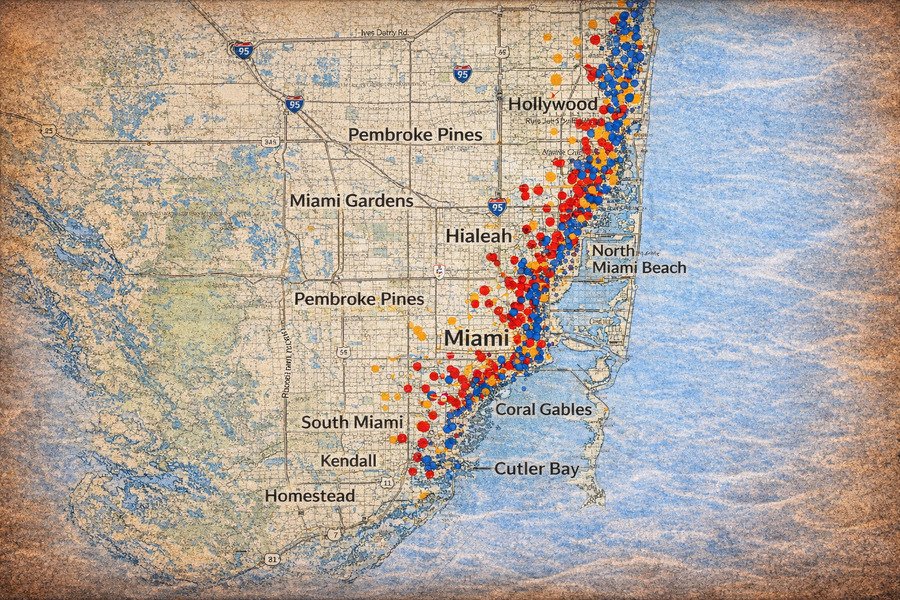
Recent research from the University of Florida’s Institute of Food and Agricultural Sciences (UF/IFAS) indicates that invasive termite species are expanding beyond South Florida and spreading more rapidly than previously predicted. This expansion increases potential structural risks for residential and commercial properties across the state.
Are Invasive Termites Spreading in Florida?
Yes. According to findings shared by UF/IFAS researchers, two destructive invasive termite species are expanding their geographic range across Florida. Long-term monitoring programs have documented this spread beyond areas that were historically considered high-risk.
This matters because invasive termites can establish colonies in new environments more efficiently, especially in warm and humid climates like Florida’s.
Why Is This Happening?
Several factors contribute to the spread of invasive termites:
- Florida’s year-round warm climate
- High humidity levels
- Urban development and construction patterns
- Movement of infested materials
- Increased global trade and travel
These conditions create favorable environments for termite survival, reproduction, and colony expansion.
What Types of Termites Are Involved?
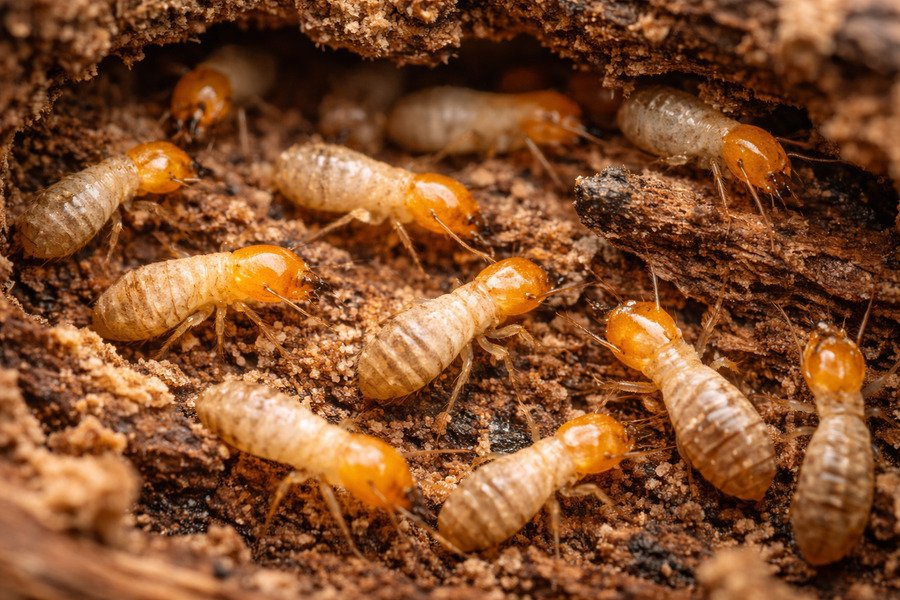
While different species exist in Florida, researchers have identified certain invasive termites as particularly concerning due to their aggressive colony growth and ability to infest structural wood rapidly.
Subterranean termites remain one of the most destructive categories, especially when combined with expanding invasive species.
Why This Research Matters for Miami and South Florida
South Florida has historically been considered a termite hotspot due to its climate and dense construction. However, research now suggests that expansion patterns may place additional regions at risk.
For property owners in Miami, Fort Lauderdale, and surrounding areas, this reinforces the importance of awareness and early monitoring.
Scientific monitoring programs are helping researchers better track termite behavior, distribution, and structural impact. Staying informed allows property owners to make proactive decisions about prevention and inspection timing.

Does This Mean Termite Damage Is Increasing?
Not necessarily in every area—but the risk exposure is widening.
As invasive species spread into new regions:
- More properties may face potential exposure
- Previously lower-risk areas may experience new activity
- Early detection becomes increasingly important
Termites cause billions of dollars in structural damage annually in the United States. Expansion increases the need for informed awareness.
How Can Property Owners Reduce Termite Risk?
While research monitors spread patterns, property owners can reduce vulnerability by:
- Maintaining proper drainage around foundations
- Reducing wood-to-soil contact
- Inspecting structural wood regularly
- Scheduling periodic professional inspections
Preventive awareness often proves more effective than reactive repairs.
The Role of Ongoing Scientific Monitoring
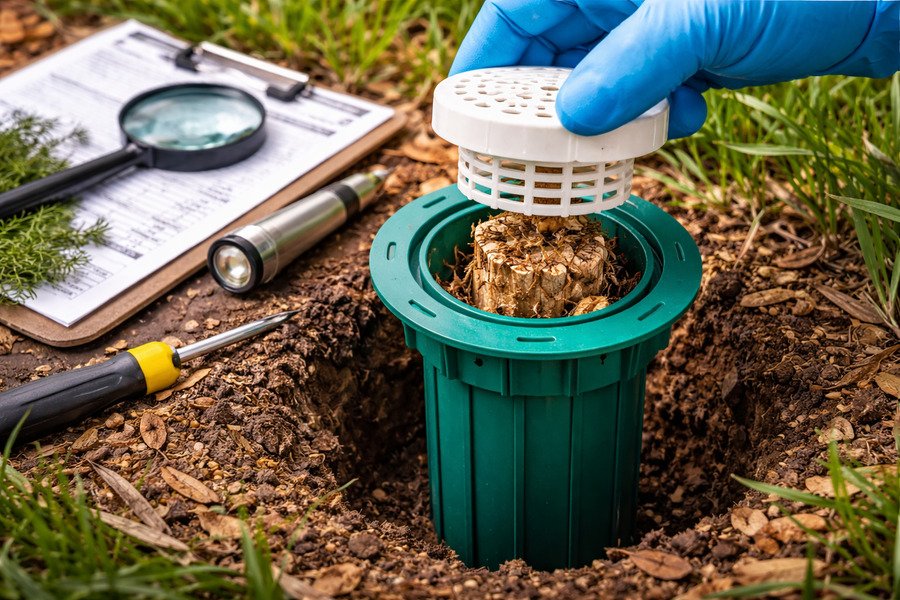
UF/IFAS research demonstrates the importance of long-term monitoring programs. Tracking termite distribution over time helps scientists:
- Identify emerging hotspots
- Understand migration trends
- Improve early detection strategies
Organizations within Florida’s pest management industry, including companies like Time’s Up Fumigation, follow academic and scientific research to stay aligned with evolving termite behavior patterns. Integrating updated data into preventive practices strengthens overall industry standards.
What This Means Moving Forward
The expansion of invasive termites in Florida does not mean immediate structural failure for every property. However, it underscores the importance of awareness, monitoring, and proactive maintenance.
Climate trends and urban growth continue to influence pest behavior, and informed property management remains the strongest long-term defense.